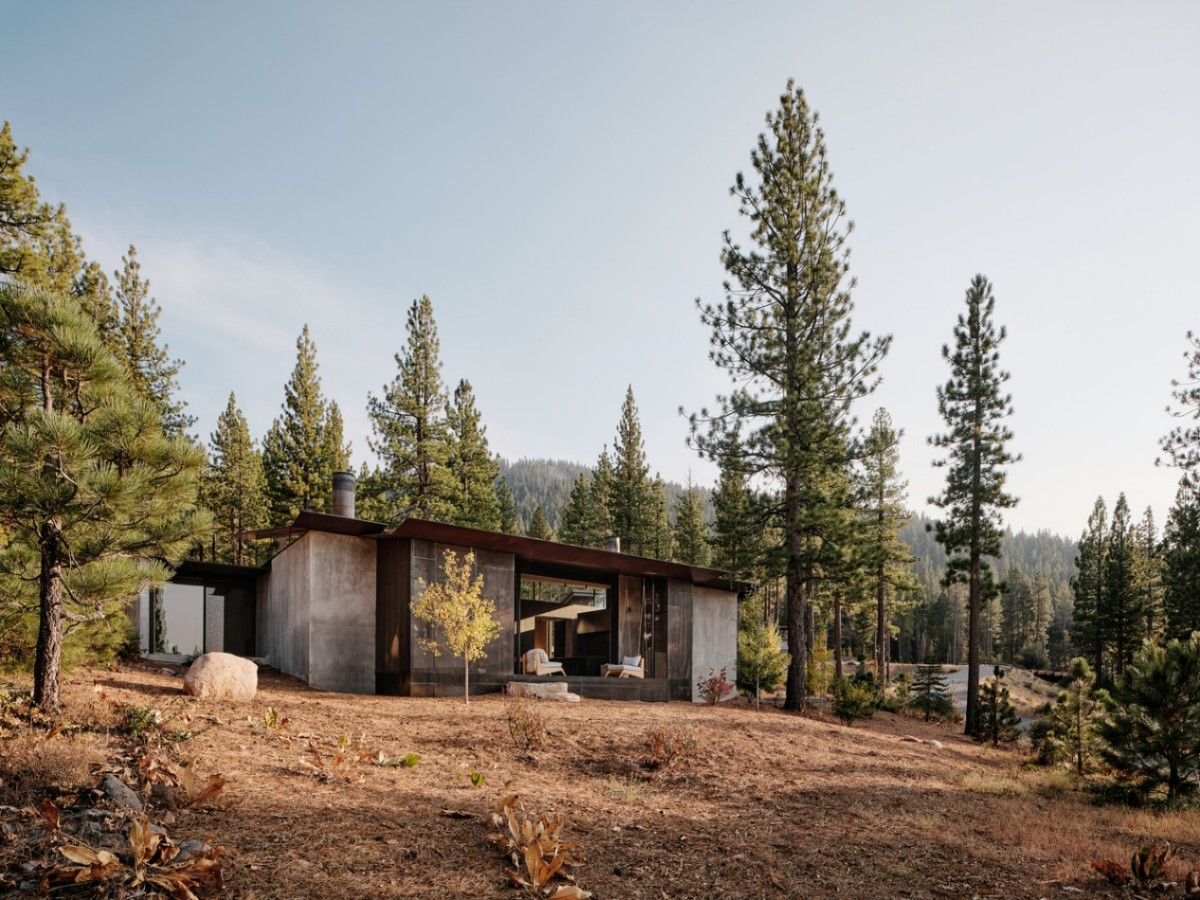
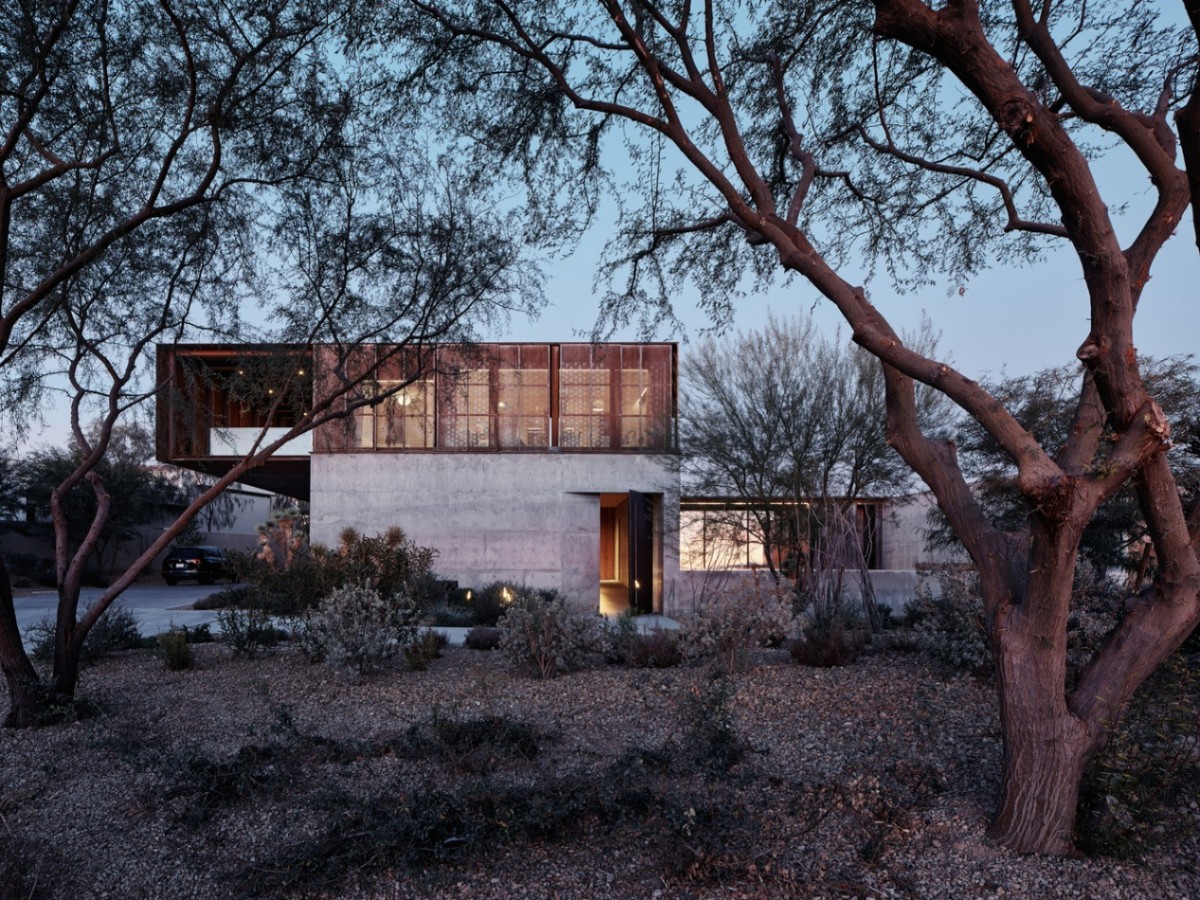
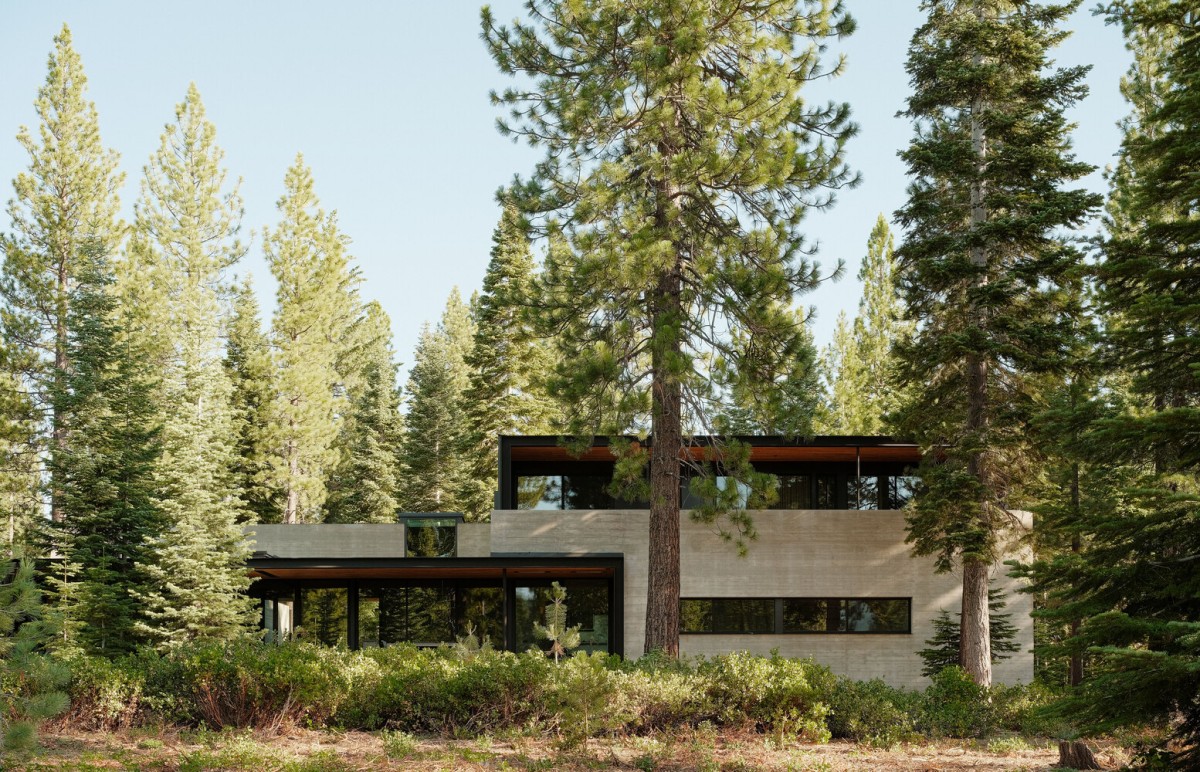
We’re delighted to speak with "Greg Faulkner", raised near Chicago in Indiana, he grew up in an industrial landscape defined by steel mills and rail lines. It was a place where buildings served a utilitarian purpose and materials were chosen for their resilience. This environment left a quiet imprint, informing a design ethos rooted in self-sufficiency and pragmatic resourcefulness.
With an associate degree in Industrial Illustration Technology from Purdue University, he began his professional journey as an aircraft design engineer, working on advanced aviation projects at Cessna and LearAvia that demanded exceptional precision and material intelligence. This rigorous engineering foundation seamlessly informed his transition to architecture, shaping a design philosophy defined by structural clarity, efficiency, and responsiveness to context. He later earned a Bachelor of Arts in Architecture from the University of New Mexico and a Master of Architecture from MIT.
After completing his studies, Greg set out westward to explore the backcountry of the Sierra Nevada Mountains. Here, he developed a deep connection to the landscape—its topography, climate, and history—that shapes the subtle, respectful dialogue between his work and its context. Greg formed Faulkner Architects in 1998 and continues to draw inspiration from a wide pool of sources: a region’s historical vernacular, the tactile remnants of its geologic history, and the applicability of sustainable technologies. He carefully integrates leading-edge strategies into projects to ensure resilience in the face of growing wildfire threats, increasing snow loads, water scarcity, and extreme temperature swings.
We're excited to speak with him about his perspective on the field of architecture and his expectations from the participants of the Tiny House 2025 Architecture Competition. For the purpose of this interview, he would be referred to as GF in responses, however, Volume Zero is referred to as VZ.