We would like to take this opportunity to introduce you to our jury member of the Tiny House 2025 Architecture Competition.

We’re delighted to speak with "Marie Combette & Daniel Moreno Flores", founding partners at La Cabina de la Curiosidad. La Cabina de la Curiosidad began with the idea of exploring thoughts, researching material resources, reflecting on and questioning urban development models. They aim to sustain culture through ethnographic and architectural practices, raise awareness about human waste, value natural ecosystems, and foster human habitat solutions.

The practice is guided by core philosophical principles of dreaming, joy, sharing, optimization, and continuous learning. It operates with a freedom of action and a playful yet rigorous mindset—embracing curiosity, humor, and seriousness in equal measure to address fundamental issues. Committed to the common good, the studio seeks positive, responsible solutions that reduce the burdens placed on the territories it inhabits and influences.

Its design methodologies are rooted in deep contextual understanding, using community engagement, immersive and creative research, and careful interpretation of place as catalysts for the design process. The practice integrates recycled materials, systematized construction strategies, poetic gestures, and intelligent design devices to activate human interaction, while maintaining a strong, articulate voice in advocating for collective rights.

They have been recognized with several prestigious international honors, including being named Winners of the Global Award for Sustainable Architecture 2025. Their work has also received top distinctions at CLIMAS XIII BIAU 2024, where they won in the Works category; the Inclusión Award 2024, securing First Prize in Architecture; and the Seoul Design Award 2024, where they were awarded Second Best of the Best in the Participation and Cooperation category for Sustainable Life.

We're excited to speak with them about their perspective on the field of architecture and their expectations from the participants of the Tiny House 2025 Architecture Competition. For the purpose of this interview, they would be referred to as MC&DMF in responses, however, Volume Zero is referred to as VZ.


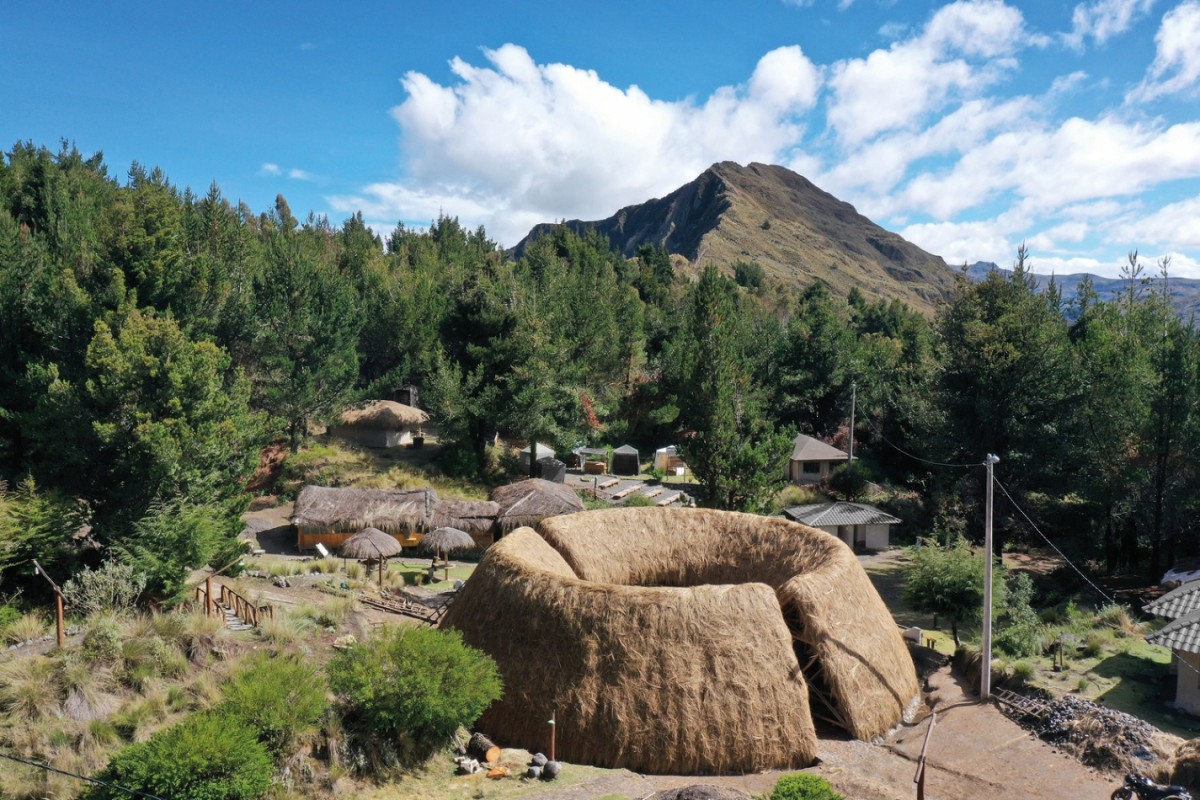
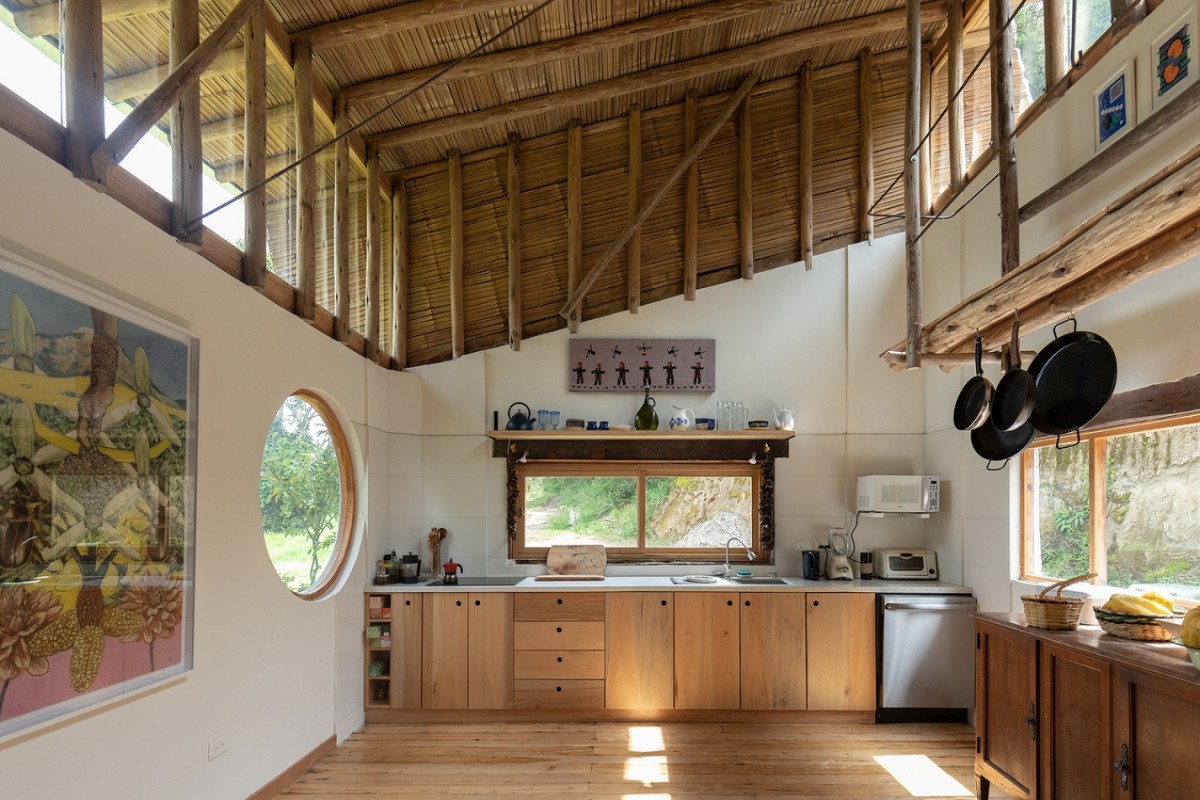
Chaki Wasi, Artisanal Center of the Shalalá Community


Chaki Wasi, Artisanal Center of the Shalalá Community by La Cabina de la Curiosidad

VZ- What are some of your favorite projects/projects that you worked on? 
MC&DMF- The Chaki Wasi, the artisan center of the Shalala community, has been a very enriching project, as it has addressed a territorial dimension, incorporating the culture, tradition, community, and materials of the territory, and teaching us how to work with materials from the Ecuadorian Andes.


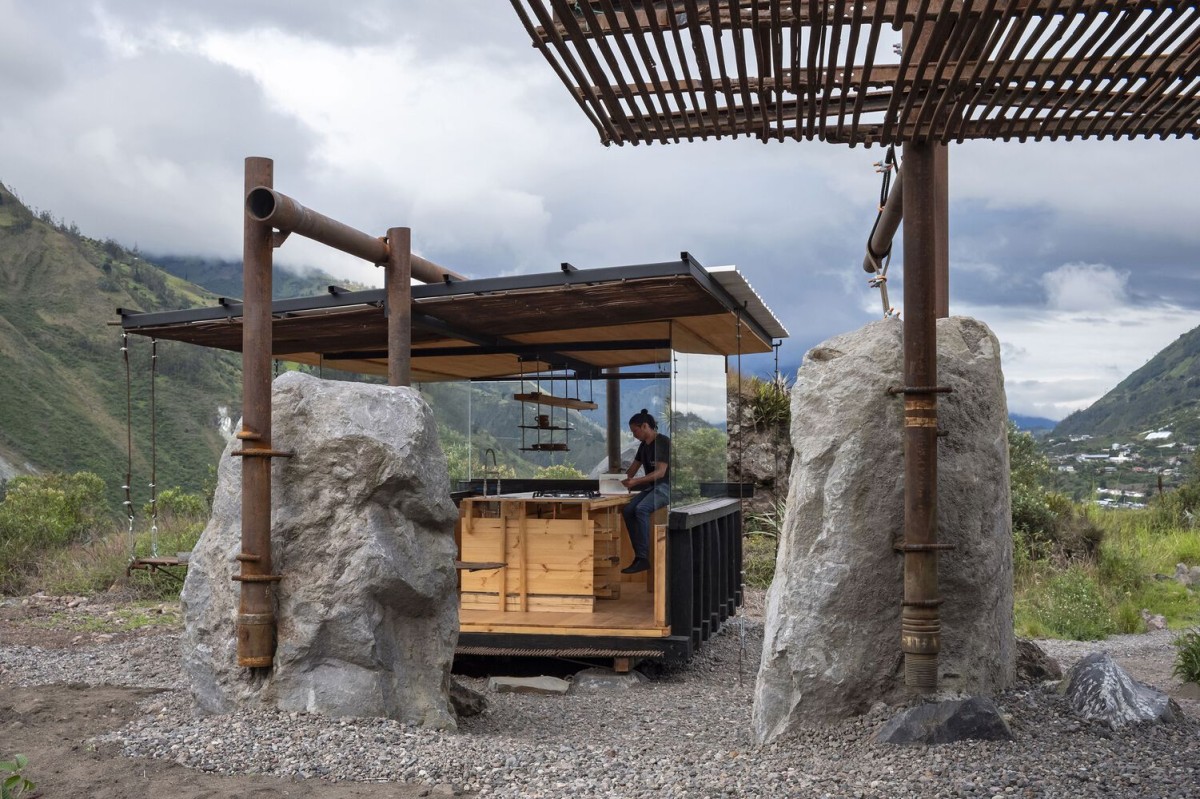
Cabin in La Cantera


Cabin in La Cantera by La Cabina de la Curiosidad

VZ- What has been your most challenging project? 
MC&DMF- Our greatest challenges lie in working with limited economic funds, which has allowed us to be very creative and resolve the architecture with the resources we have available. In the lodgings at La Cantera, we managed to incorporate the essence of the stone quarry because we used a great number of recycled and natural elements from the site.

VZ- What would be your word of advice for all the young budding students and architects who are looking to make a mark in this professional world?
MC&DMF- Dream big with your feet on the ground, and solve the great problems facing humanity.

VZ- What are you expecting from the proposal and the participants for the Tiny House 2025?
MC&DMF- We are excited to see the creativity of the people and their perspective on sustainability.


Cholan Nests House


Cholan Nests House by La Cabina de la Curiosidad

VZ- Is there any aspect of the brief that appeals to you the most or do you find it the most challenging?
MC&DMF- We believe the biggest challenge is the approach to conceptualization and the location that participants choose.

VZ- How do you approach the idea of designing a Tiny House in today's world?
MC&DMF- For us, it is very important to read the reality, where we understand the natural world, the existing resources in the environment, recycling, and dialogue with people.


Subscribe

Get our latest article and updates delivered straight to your inbox.