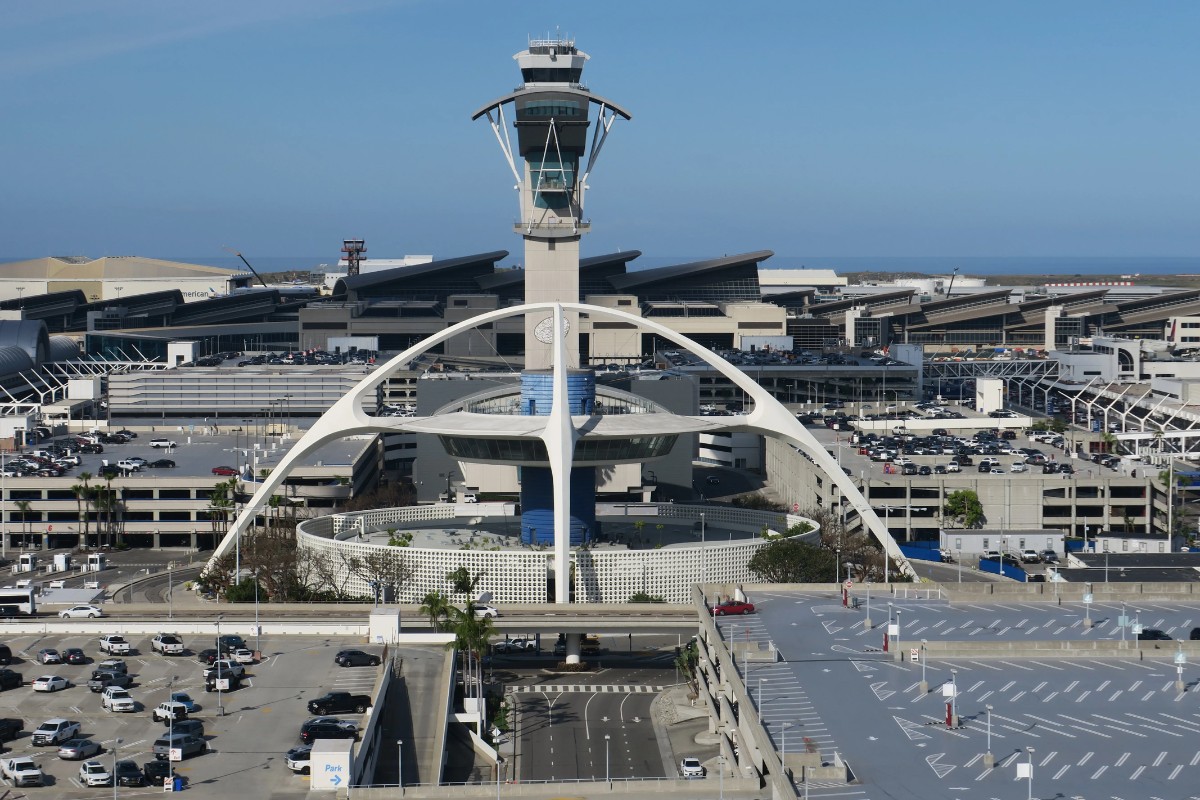
LAX's ongoing transformation reflects Los Angeles's role as both entertainment capital and technological innovation center. The new terminal designs incorporate dramatic lighting, sculptural forms, and high-end retail environments that mirror the city's entertainment industry while serving practical transportation functions.
The airport's design strategy embraces spectacle and performance in ways that transform routine travel procedures into theatrical experiences. From the moment passengers enter, they encounter spaces designed to impress and inspire, reflecting Los Angeles's culture of aspiration and achievement.
LAX's technological systems focus particularly on passenger convenience and entertainment. High-speed wifi, charging stations integrated into seating, and digital art installations create environments where waiting becomes productive or enjoyable time rather than dead time.
The Future of Airport Architecture
Emerging trends in airport design point toward even more radical transformations of transit infrastructure. Vertical airports that integrate with urban towers, underwater terminals connected by tunnels, and modular structures that can be reconfigured for changing needs all represent possibilities being explored by forward-thinking architects and planners.
The most promising developments focus on sustainability and passenger wellbeing. Future terminals may incorporate urban farming systems, renewable energy generation that exceeds building needs, and therapeutic environments that actually improve travelers' health and mood. These innovations could transform airports from necessary infrastructure into positive contributors to urban life and human wellbeing.
Autonomous vehicle integration, supersonic aircraft accommodation, and space travel preparation represent technical challenges that will drive future airport design. The terminals being built today must anticipate these possibilities while serving current needs, requiring unprecedented flexibility and adaptability in their basic structures.
Cultural Identity in Global Infrastructure
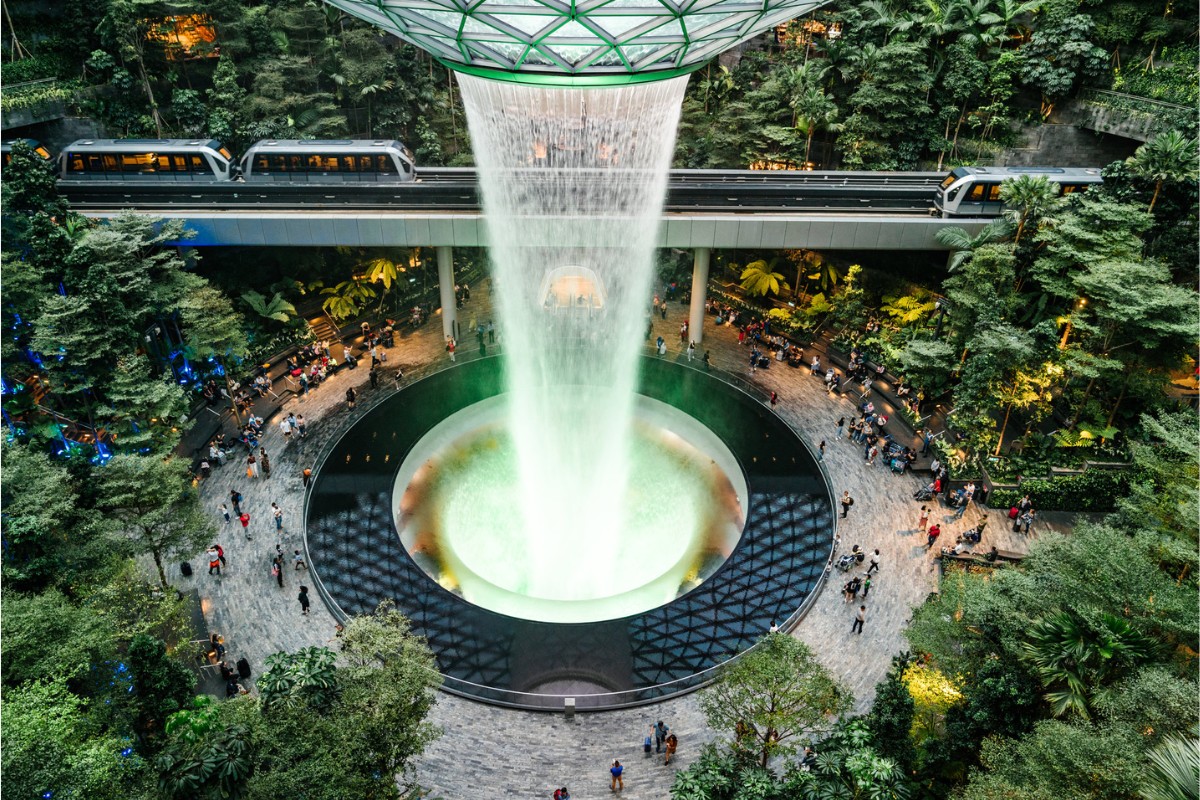
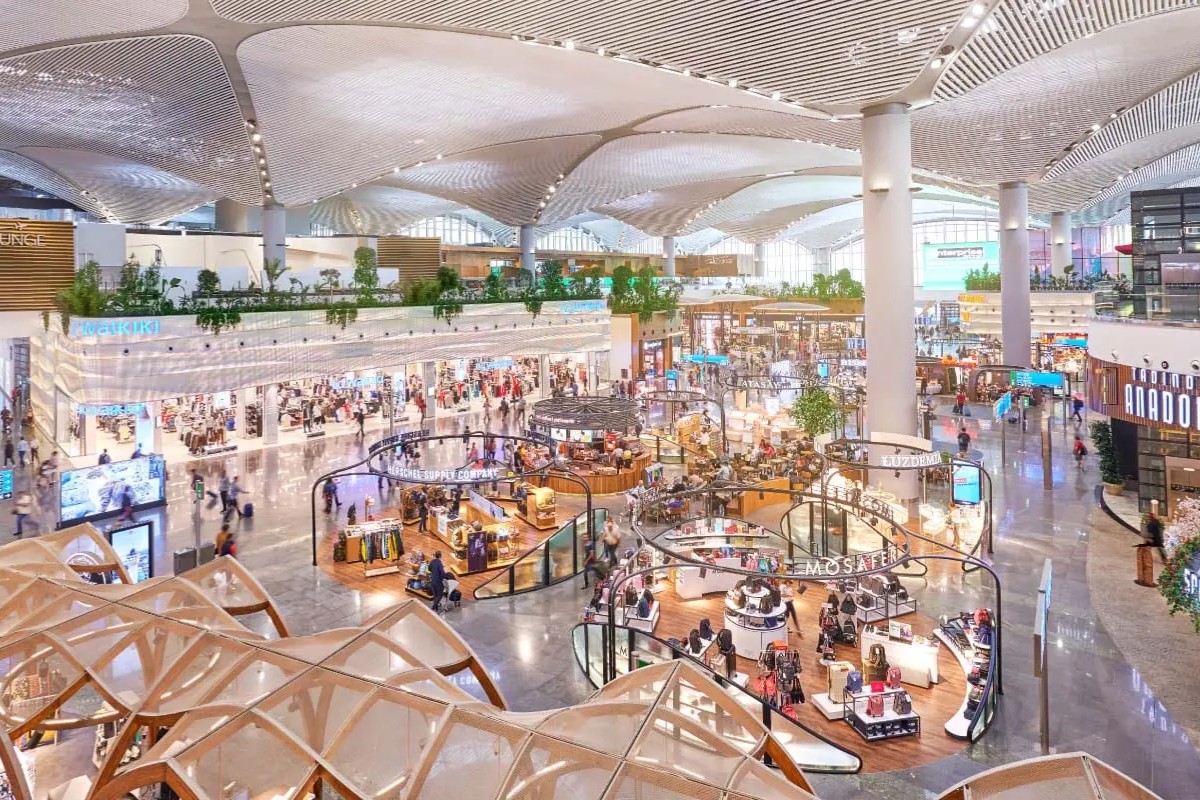
The question of which country has the most beautiful airport in the world often reflects cultural values more than objective aesthetic standards. Singaporeans might prioritize the biophilic integration of Changi, while visitors to Istanbul might be moved by the cultural synthesis achieved there. Each represents excellence within different architectural traditions and cultural contexts.
The most successful contemporary airports balance global functionality with local identity. They serve international passengers while expressing regional values, accommodate universal human needs while celebrating cultural specificity. This balance requires sophisticated understanding of both architectural principles and cultural nuances.
Architecture as Journey's Beginning
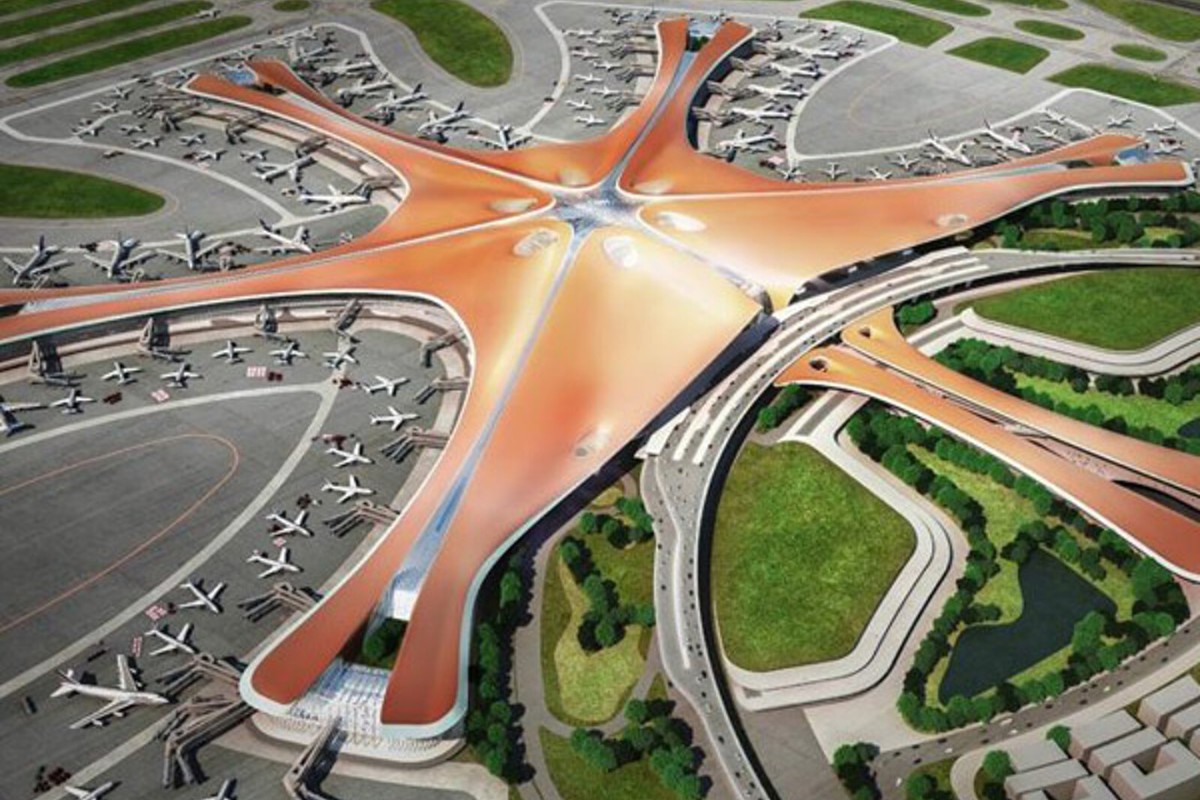
These remarkable terminals demonstrate that futuristic airports designed around the world have evolved far beyond their utilitarian origins. They serve as cultural ambassadors, technological showcases, and architectural laboratories where humanity's boldest infrastructure dreams take physical form. From Singapore's garden paradise to Beijing's organic starfish, these buildings prove that functional architecture can also be transcendent architecture.
The best examples succeed by recognizing that air travel begins long before takeoff. The anticipation, preparation, and transition involved in flying require spaces that acknowledge both the practical and emotional dimensions of the journey. Great airport architecture serves logistics while nurturing the human spirit, facilitating movement while creating memorable experiences.
As global connectivity continues expanding and air travel becomes increasingly central to human experience, these pioneering terminals point toward a future where infrastructure itself becomes destination. They remind us that the journey can be as meaningful as the destination, and that thoughtful design can transform necessary functions into extraordinary experiences. In our increasingly connected world, these architectural marvels serve as gateways not just to other places, but to other possibilities.
For more such insights and tips about the architectural world, subscribe to the
Volume Zero newsletter and get the latest articles delivered to your inbox.
Text provided by Samiksha Ghuge-
Samiksha Ghuge is a newly budding student writer with an insatiable passion for storytelling and a keen interest in Architecture. She is presently pursuing a degree at the L.S. Raheja School of Architecture. Samiksha is on a mission to deliver high-quality, well-researched content that is both informative and engaging. when she is not writing she enjoys sketching, reading, and visiting art museums.