We would like to take this opportunity to introduce you with "
Xiaotong Ma", from
China -
Second Winner of
Little Big Loo 2025 Architecture Competition. She is the founder of Atelier Ode, an architect and landscape designer whose practice is deeply rooted in local context and regional identity, with a focus on creating authentic spaces that respond naturally to their environment, culture, and community.
She believe architecture should serve people, place, and purpose with honesty, clarity, and purpose.
Come and take a look at what the
Second Winner of
Little Big Loo 2025 Architecture Competition - "
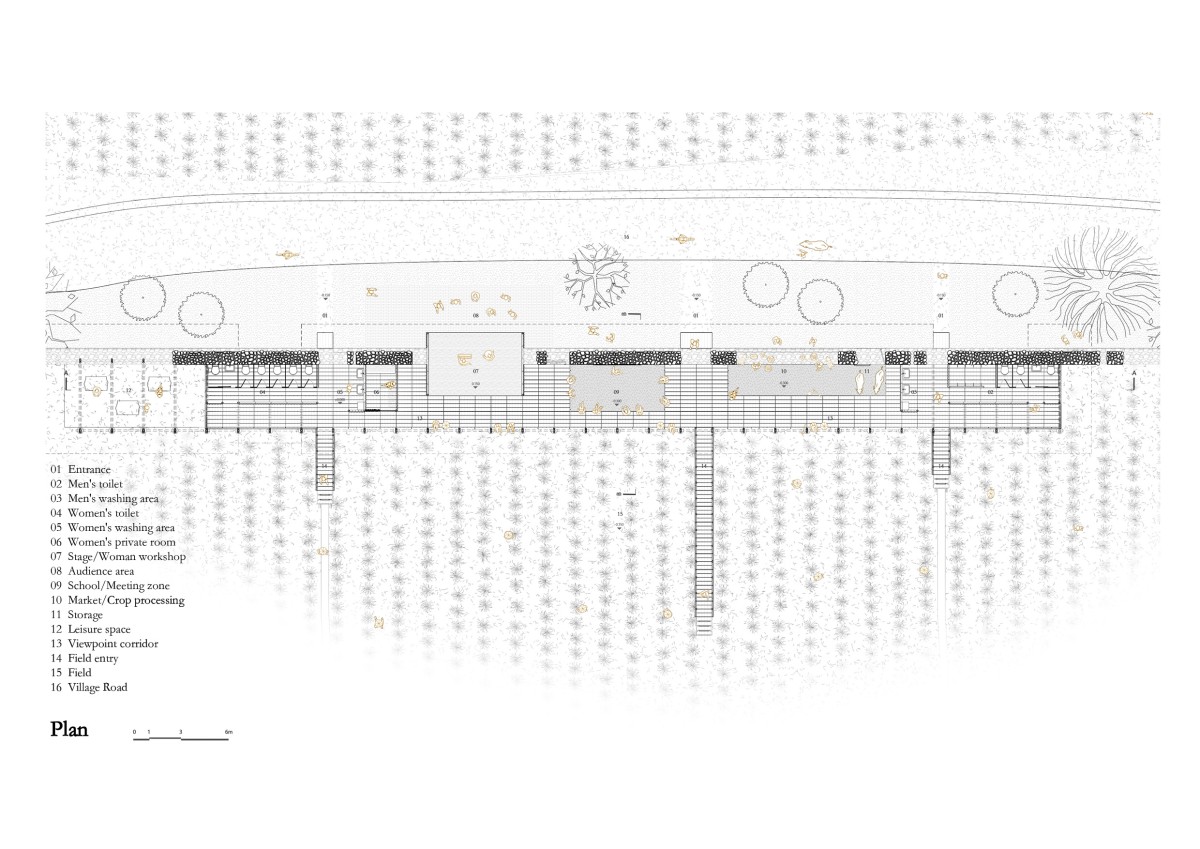
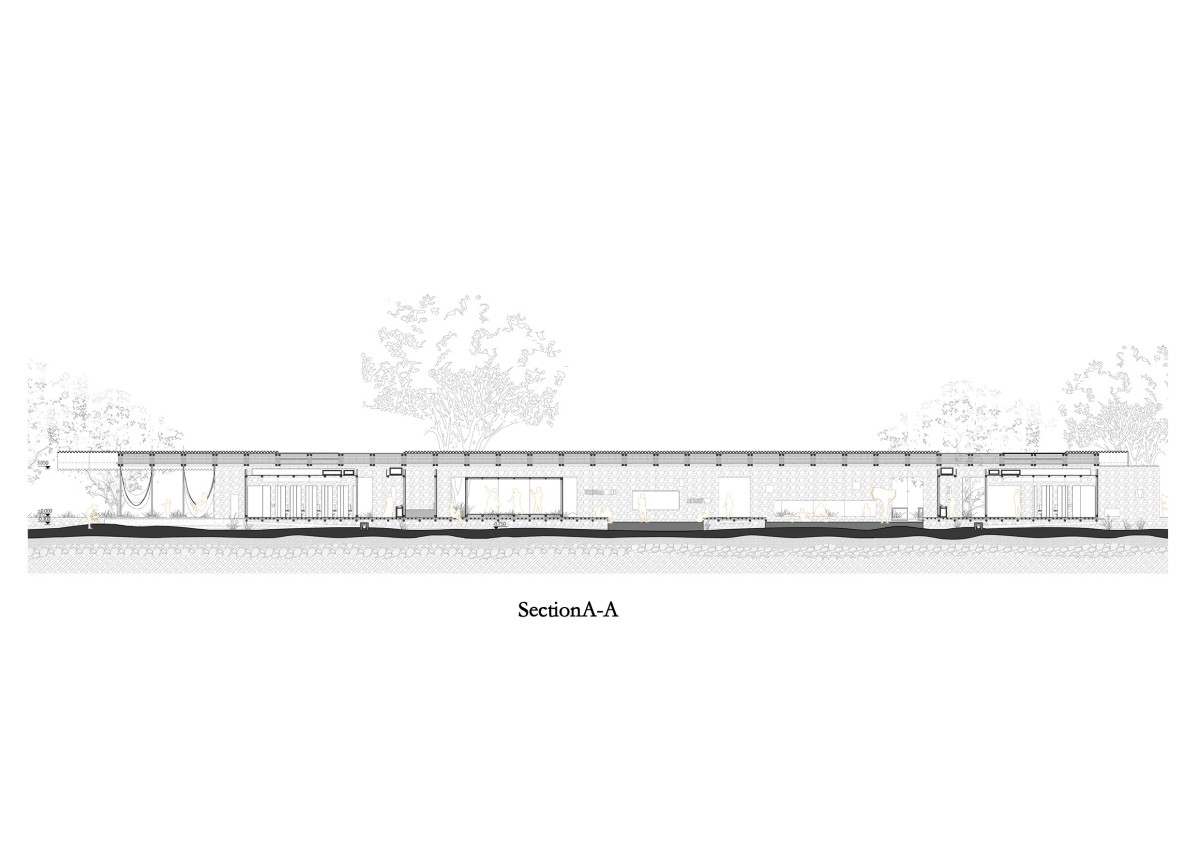
Xiaotong Ma" with her proposal "
Field Boundary : Safe Settlement" has to say about her experience and journey throughout the competition. For the purpose of this interview she would be referred as XM to responses, however Volume Zero referred as VZ.
VZ- How would you introduce yourself / Team /Firm?
XM- My studio and I specialize in architecture and landscape design, with a practice deeply rooted in local contexts and regional identity. Our core philosophy is to return to the essence of design—creating spaces that emerge naturally from their environment, culture, and community. We believe thoughtful detailing, spatial clarity, and authenticity are fundamental to meaningful design.
VZ- Give us brief information of your previous projects/ works/ research/achievements?
XM- As a National First-Class Registered Architect and Senior Engineer, my practice integrates competition-driven innovation with real-world architectural delivery. I was awarded 1st Prize in “The Highness” (an innovative hotel concept) and “Overhaul”(Future service station challenge), where we developed a flexible, modular energy station for future vehicles using interchangeable components. In the 2025 Shanghai Infrastructure Design Competition, our Qingpu Pedestrian Bridge—a lightweight, prefabricated structure responsive to local context—won 3rd Prize as a social connector for the community. I also received an Honorable Mention in Extreme Habitat 2022.
On the built side, with over ten years of experience at a large-scale architectural design institute, I have served as lead designer on several key projects, including the Wanghai Road School in Wenjiang (2023)—a public school developed in collaboration with a prestigious Chengdu-based educational brand—and the Renshou Xincheng Hotel (2022). Earlier, I was the Lead Designer for the Longshan County Sports Center (2016), from competition bid through to construction documentation phase.
In 2021, I headed a parametric design workshop, where I advanced BIM-integrated workflows during the construction documentation phase. Through these experiences, I’ve developed strong project management skills and deep practical expertise—foundations that directly inform my approach in this competition. I now run my own studio, specializing in architecture for culture, hospitality, education, and residential typologies.
VZ- What was your thought process while designing for The Little Big Loo Architecture Competition 2025?
XM- The starting point was a real-world observation: in many rural parts of India, sanitation infrastructure often deteriorates quickly—not because people don’t want to use toilets, but because existing solutions are hard to maintain, rely on scarce water or absent sewage systems, and offer inadequate safety, especially for women and children.
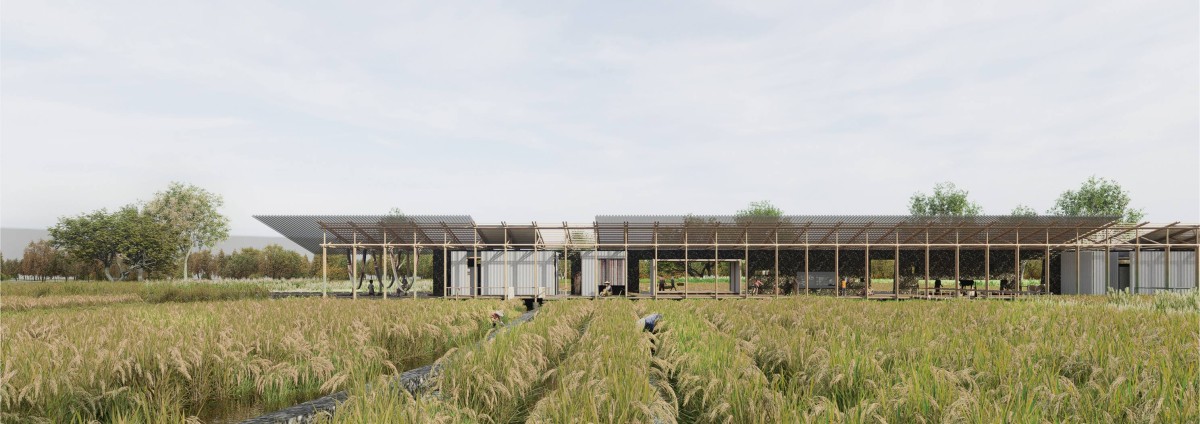
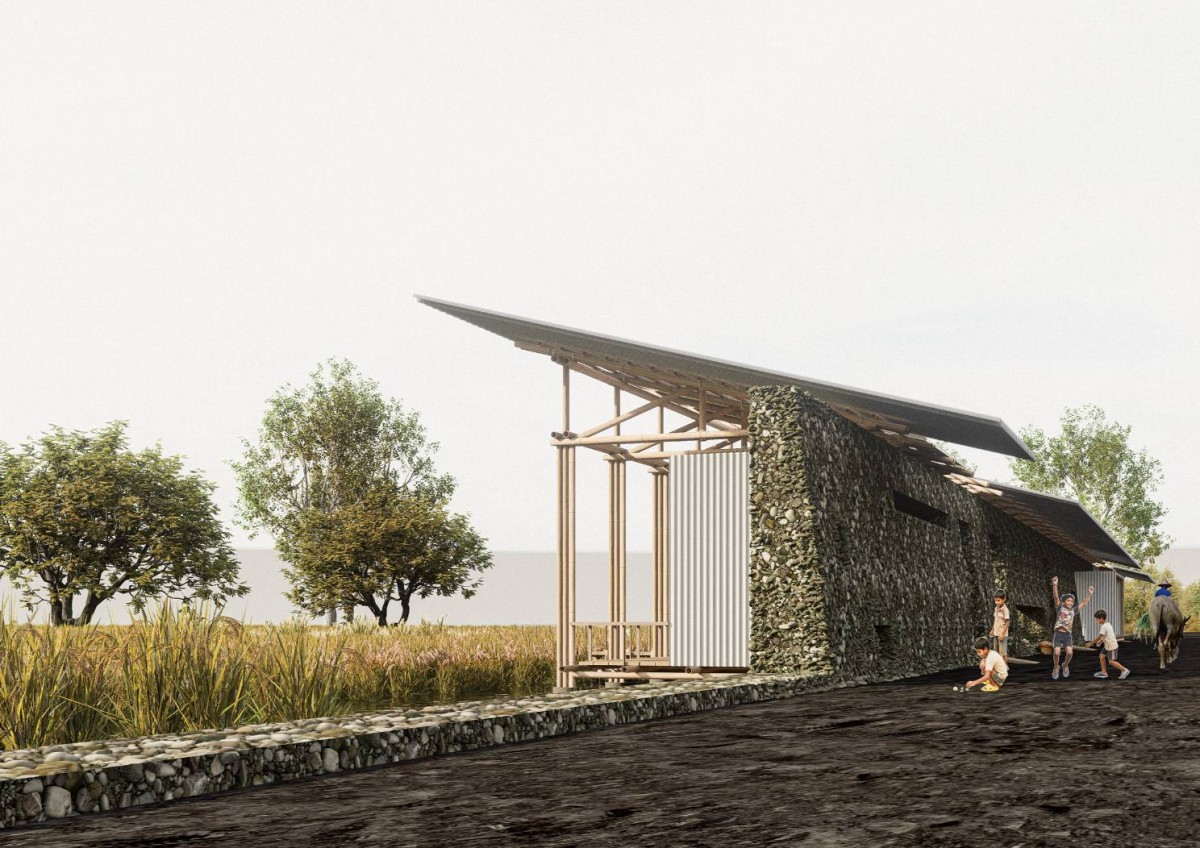
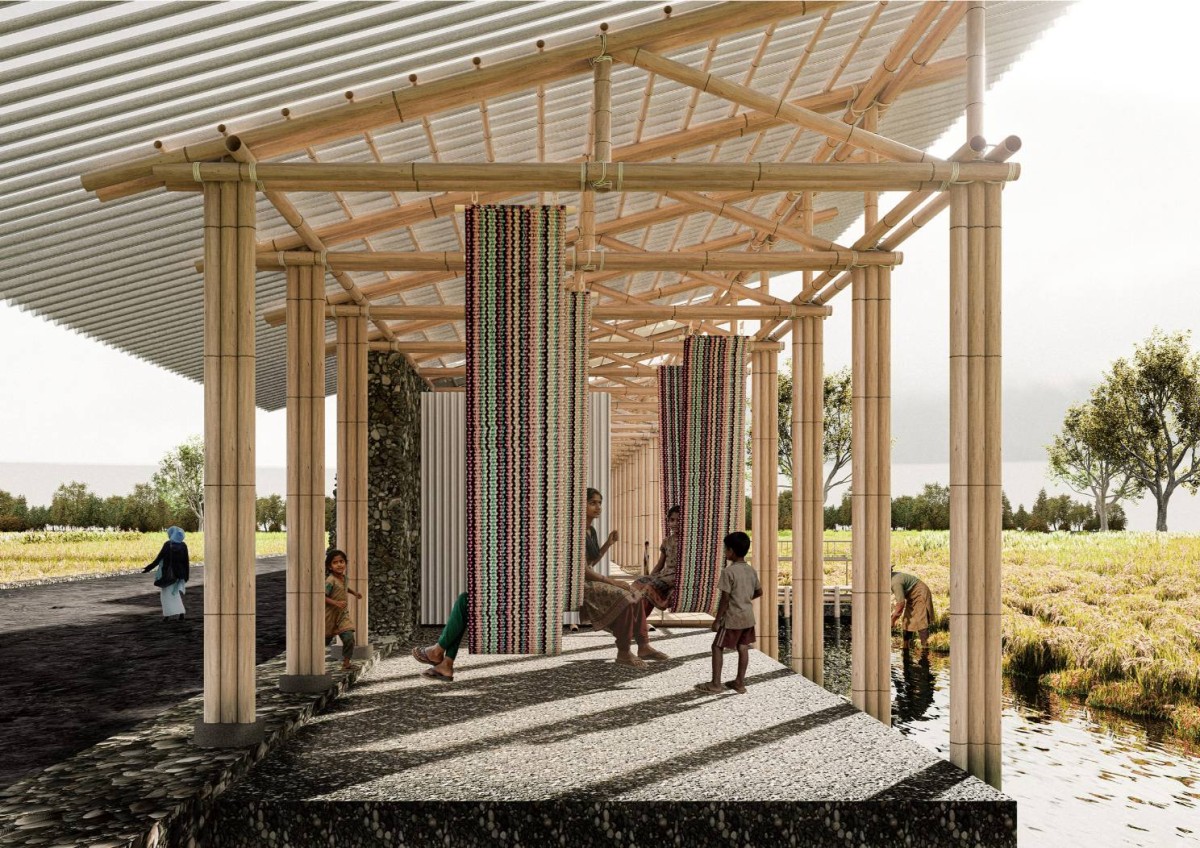
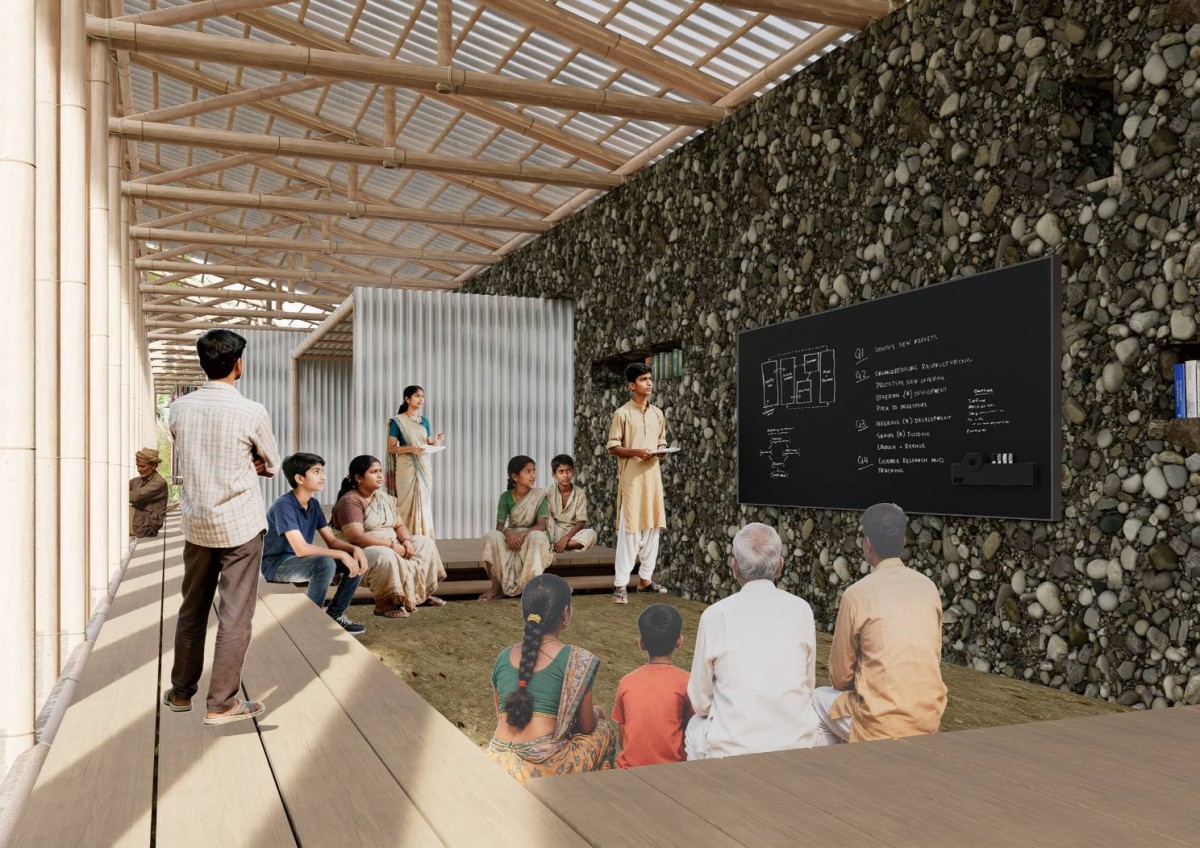
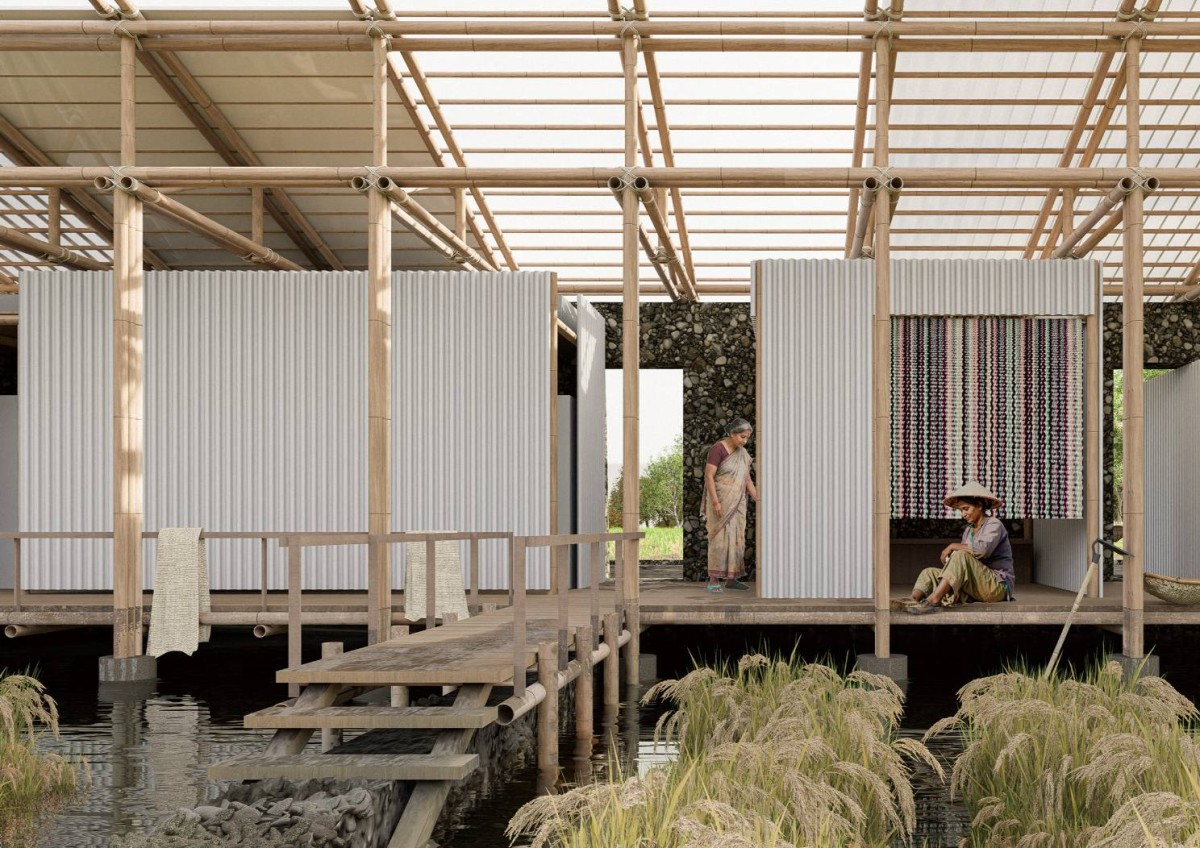
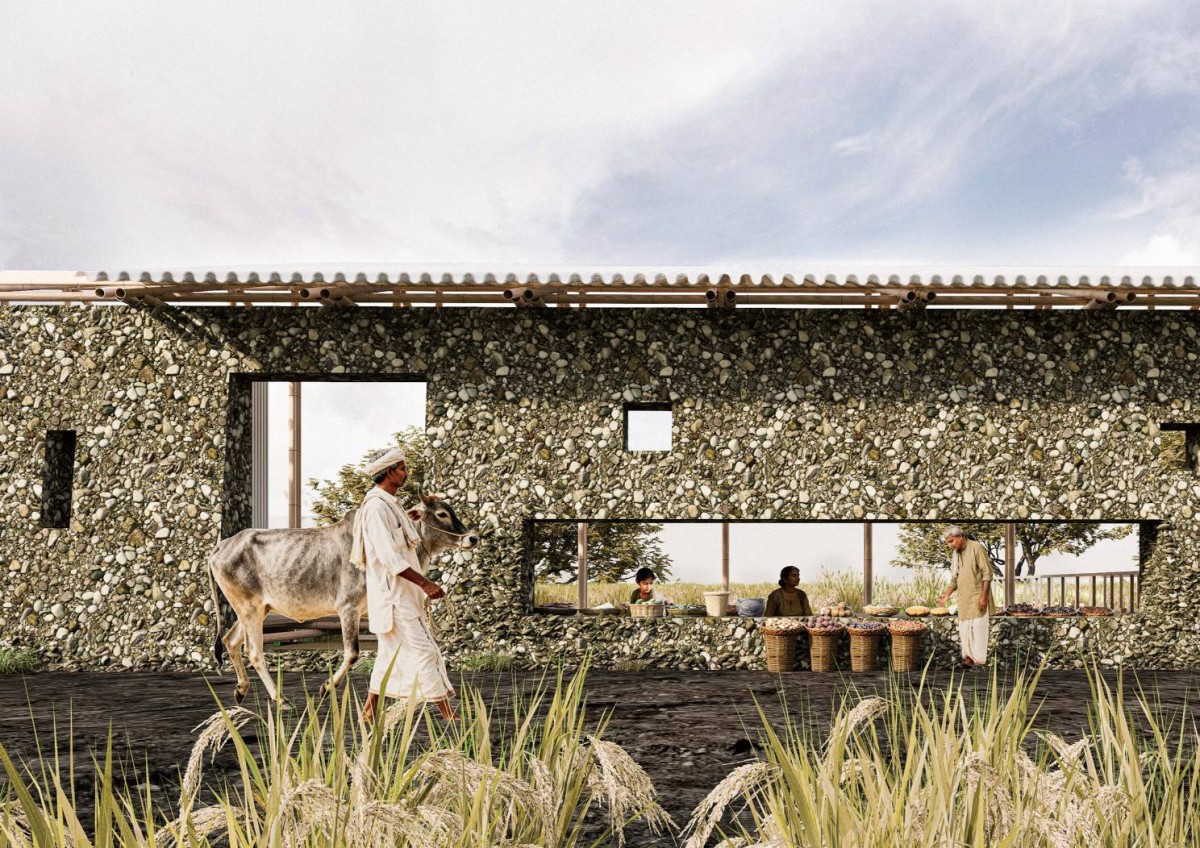
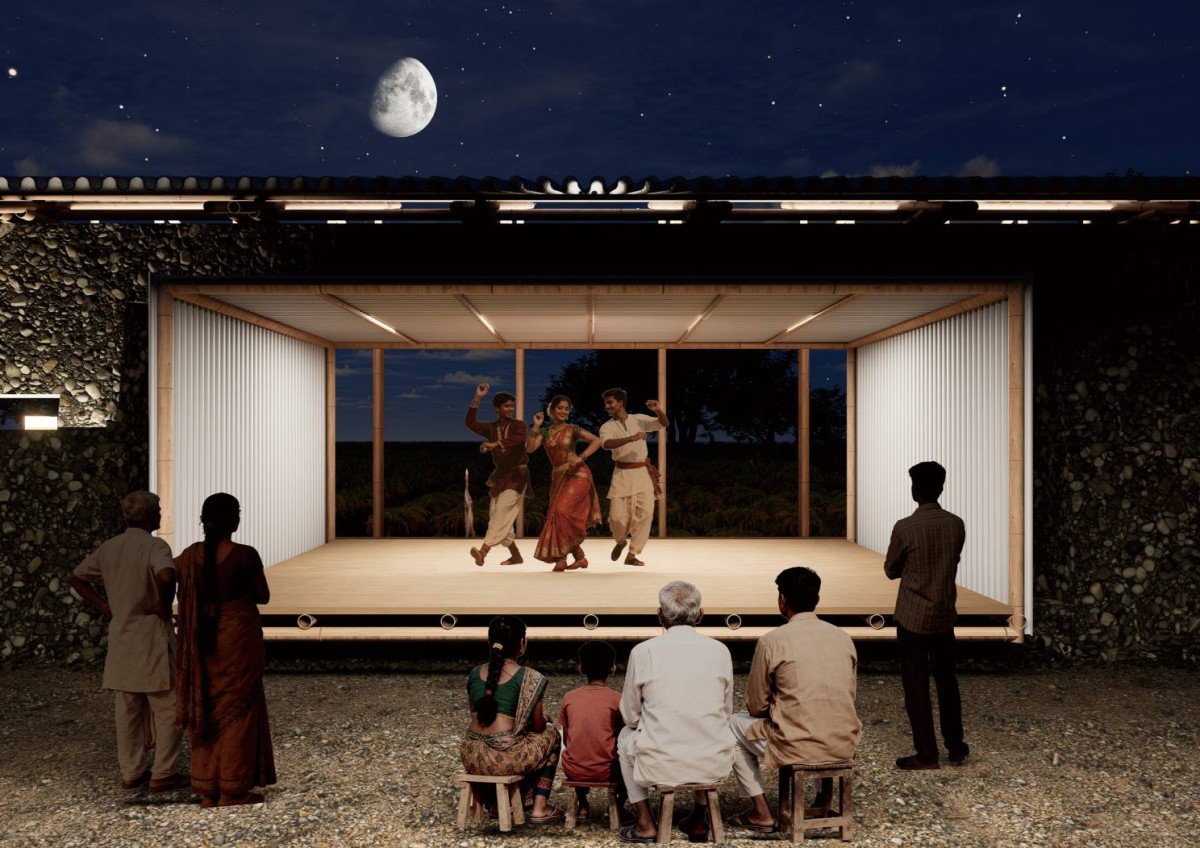
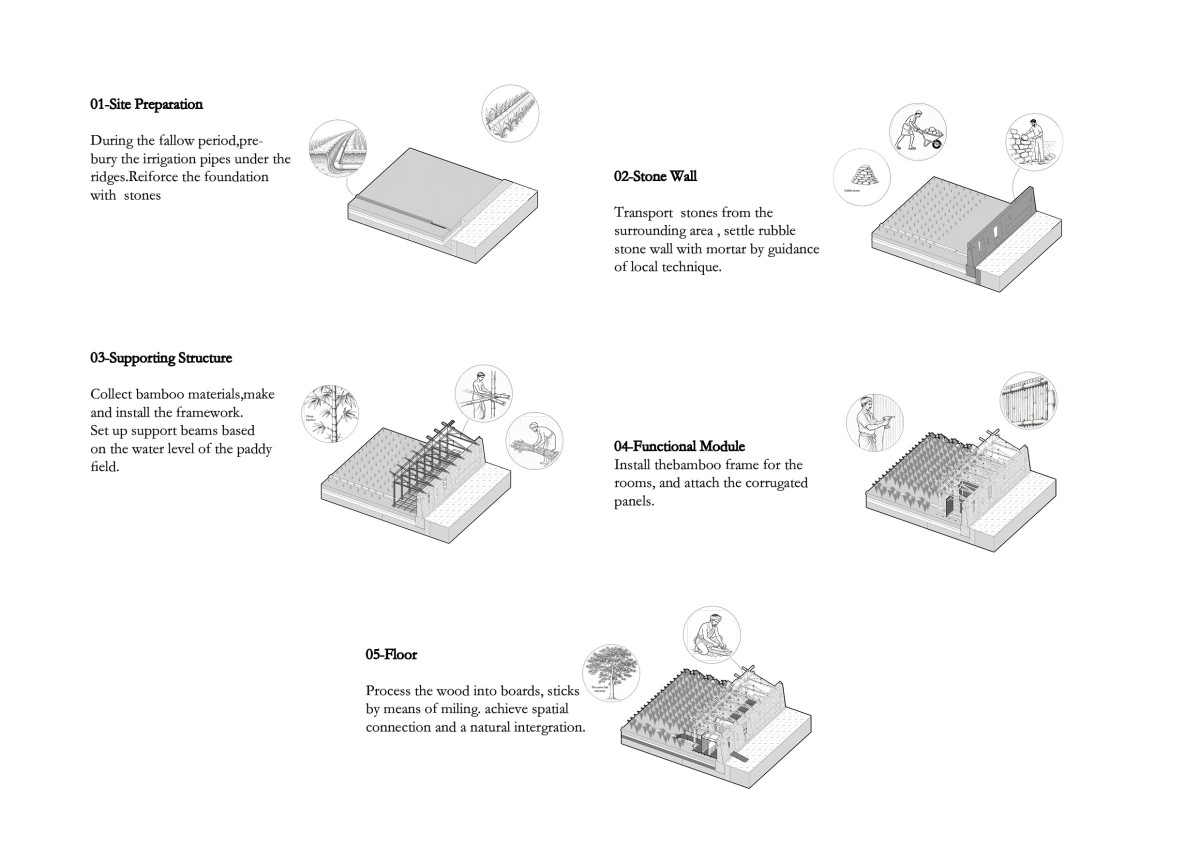
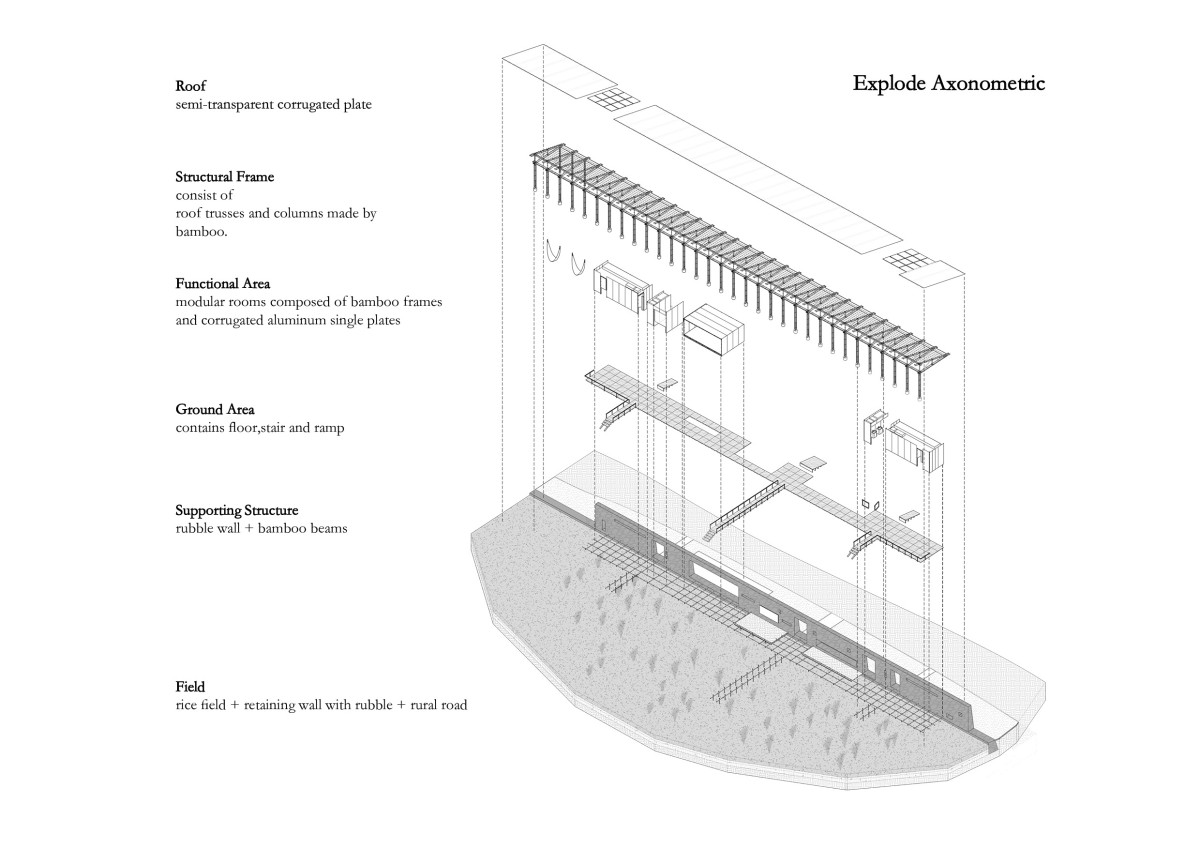
This led to a design approach grounded in practicality and resilience. The proposal focuses on simple, modular components that can be assembled with local materials and skills; waterless composting systems to bypass drainage constraints; and spatial layouts that prioritize privacy, natural light, and ventilation. Rather than pursuing architectural expression, the aim was to create a facility that communities can own, operate, and sustain—turning sanitation into a lasting part of daily life, not just a one-time construction.
VZ- What attracted you to this competition?
XM- Drawn to the idea of addressing a major social challenge—rural sanitation—through subtle yet strategic design: small in scale, significant in impact.
VZ- What design fundamentals do you believe in?
XM- I believe in design that is honest, contextually grounded, and human-centered—where function, material, and place speak clearly. Architecture should respond to people, place, and purpose—and serve, not perform.
VZ- What were your references/ inspiration?
XM- I was inspired by the resourceful ways local villagers build—using rough field stones, bamboo, and timber to create simple yet ecological structures. Their use of readily available materials and intuitive construction methods deeply informed my approach.
VZ- What according to you is the key to making your design a success?
XM- I think the key is genuine engagement with local realities—through deep research, an honest understanding of challenges, and treating the project not as a design exercise, but as a practical solution to real problems.