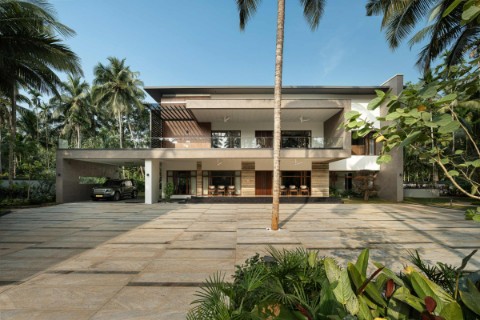
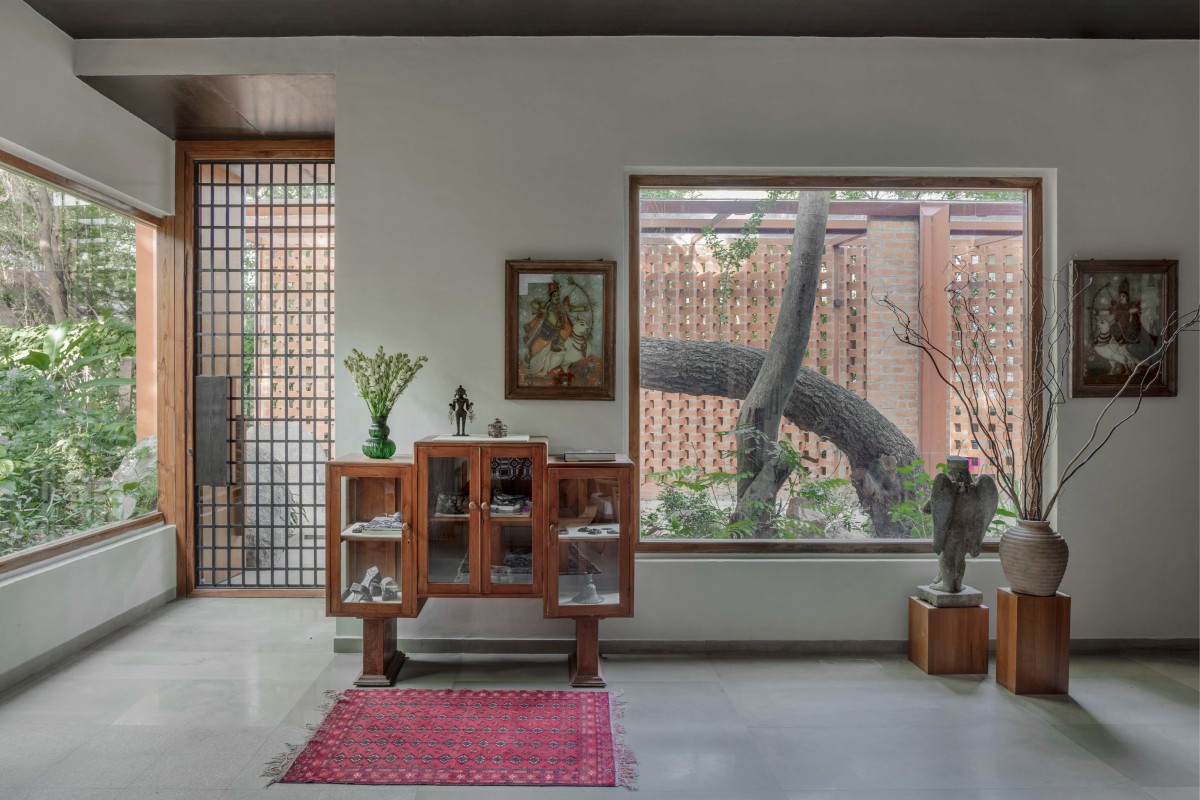
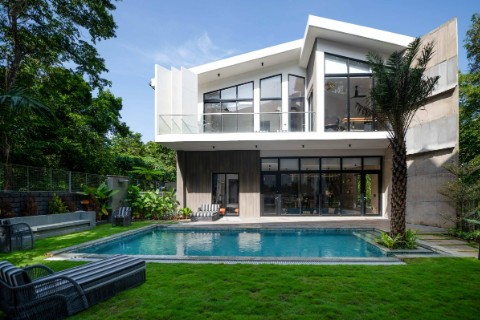
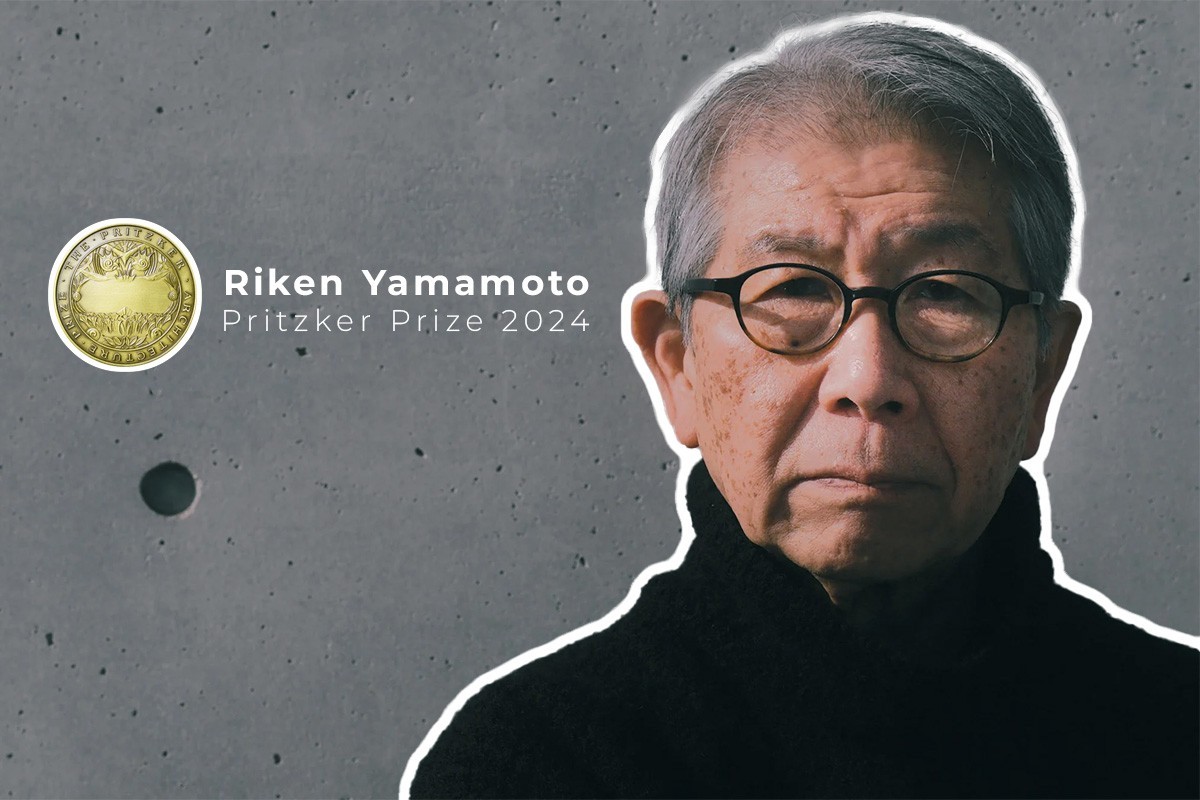
Riken Yamamoto, the 2024 Pritzker Prize Laureate, stands out in the world of architecture for his innovative approach to green design. His philosophy goes beyond just creating buildings; it's about creating environments that minimize negative impacts on the environment and society while enhancing the lives of individuals and communities. Yamamoto's work is deeply influenced by his upbringing in China and his training in Japan. This unique cultural background has shaped his design philosophy, blending traditional Japanese aesthetics with modern architectural principles.
Yamamoto has also made significant contributions to architectural education. He has taught at several universities and has mentored numerous young architects, passing on his knowledge and passion for sustainable design. As a Pritzker Prize winner, Yamamoto's work has left a lasting impact on the field of architecture. His legacy continues to inspire architects around the world to rethink the way we design and build our cities, with a focus on sustainability and community.
Philosophies and Green Architecture
Despite not being an architecture historian, Riken Yamamoto draws inspiration from the past and different cultures. He does not simply replicate historical styles; instead, he adapts, reinterprets, and evolves them. This approach demonstrates his belief in the enduring relevance of architectural fundamentals. Yamamoto's work reflects a fusion of past influences and future visions, allowing him to provide innovative and contextually relevant solutions to the challenges of the built environment and collective living.
Central to Yamamoto's approach is a focus on human-centered design. He believes that architecture should prioritize the well-being and comfort of its users, creating spaces that are not only functional but also emotionally uplifting.
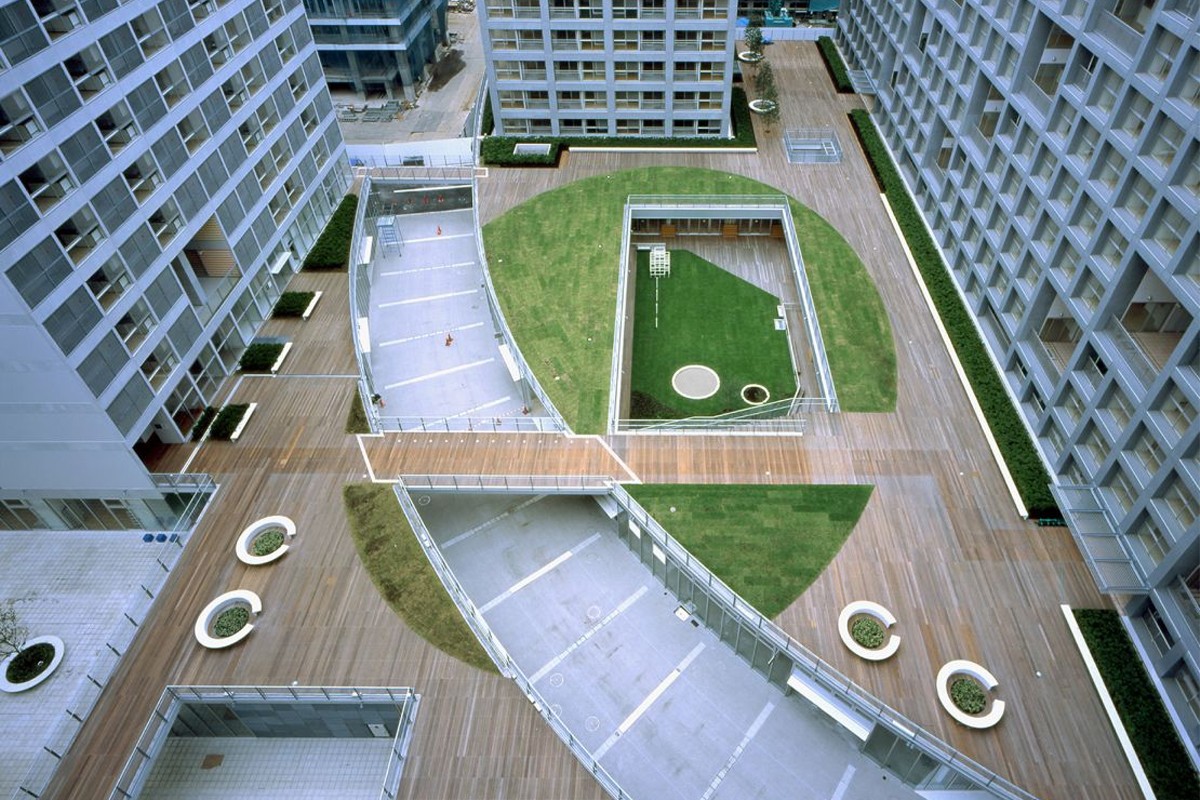
Green architecture, also known as sustainable or eco-friendly design, is a philosophy that seeks to minimize the negative environmental and social impacts of buildings and structures. It is about creating spaces that are healthy, comfortable, and resource-efficient. Yamamoto's approach to green architecture reflects these principles, using energy-efficient materials and systems, reducing water consumption, and designing buildings that promote well-being. Yamamoto is a proponent of green roof initiatives, incorporating rooftop gardens and green spaces into his designs to improve air quality, reduce urban heat island effects, and promote biodiversity.
Innovative Approach to Community Building
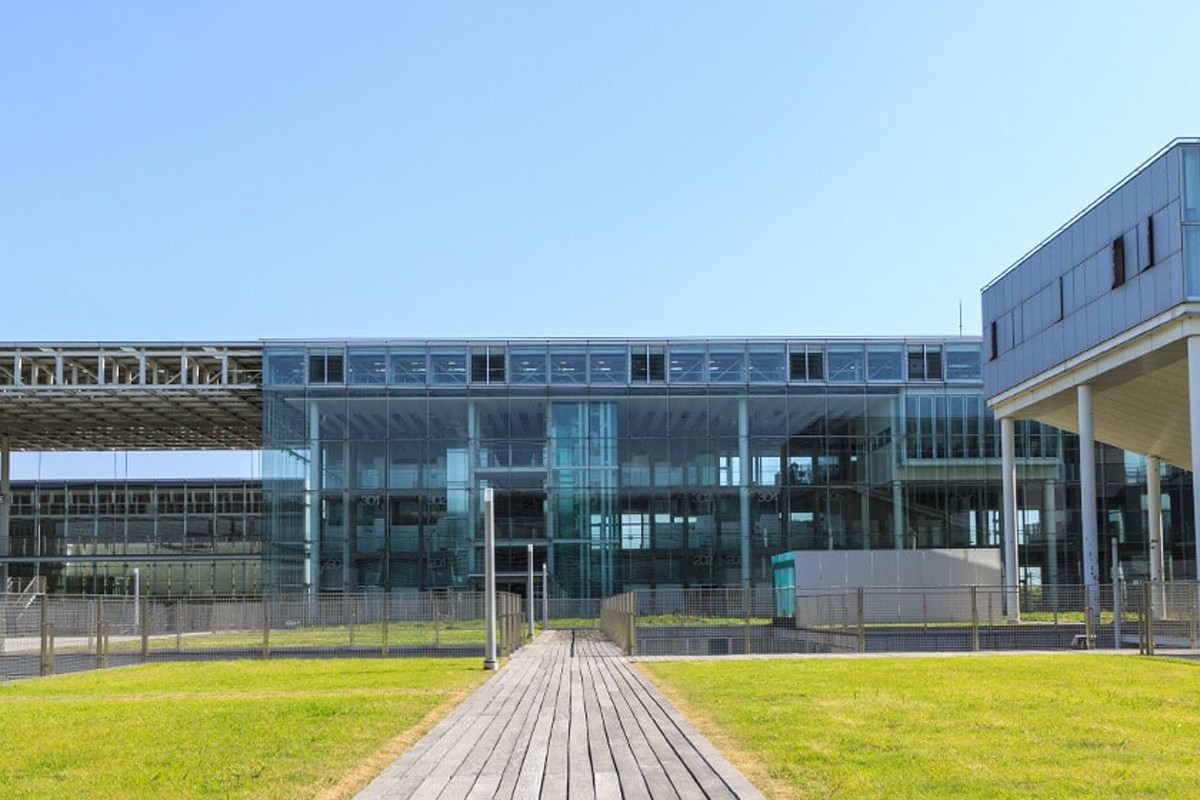
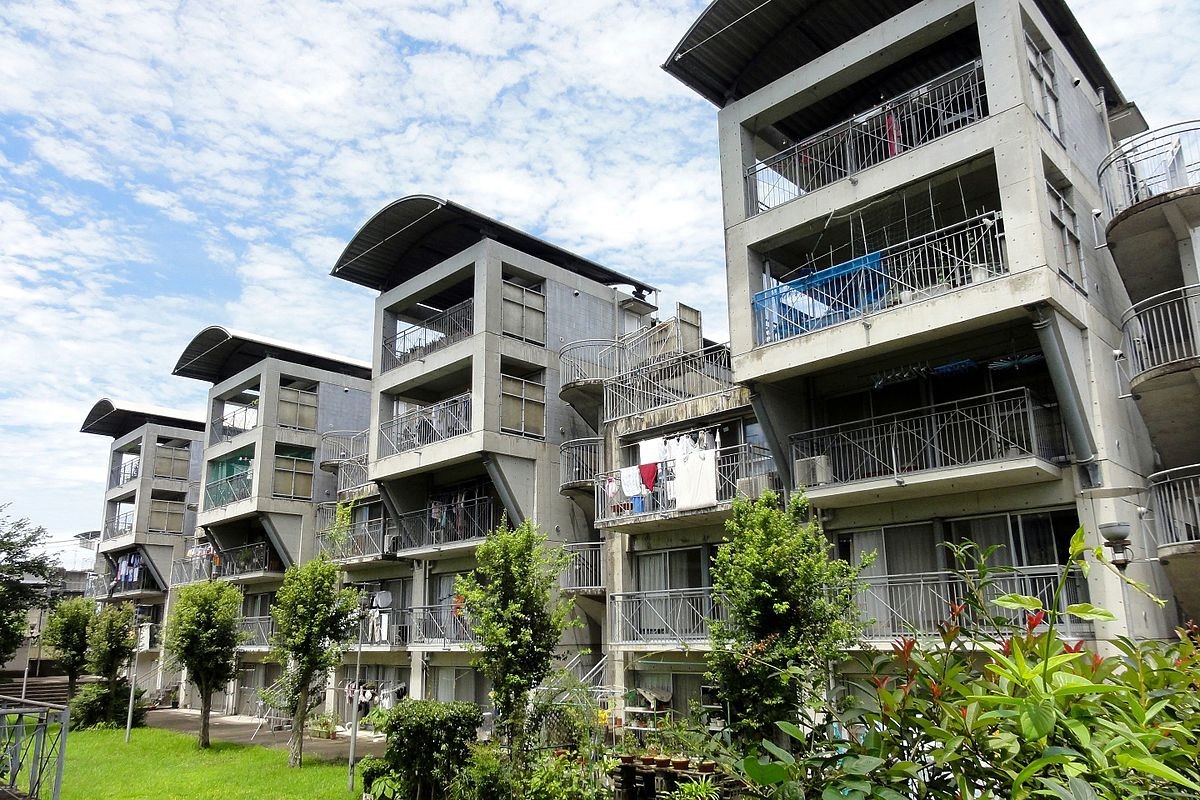
One of Yamamoto's key focuses is on community building in Japan's rapidly expanding cities. His projects, which include innovative housing developments and educational institutions, are designed to foster community, and encourage spontaneous interactions among residents. By blurring the boundaries between public and private spaces, Yamamoto creates environments where people can connect and thrive.
Yamamoto's work often involves urban regeneration projects aimed at revitalizing neglected or underutilized areas. His designs focus on creating vibrant, livable spaces that contribute to the overall well-being of the community.
Blurring Boundaries between Public and Private Spaces
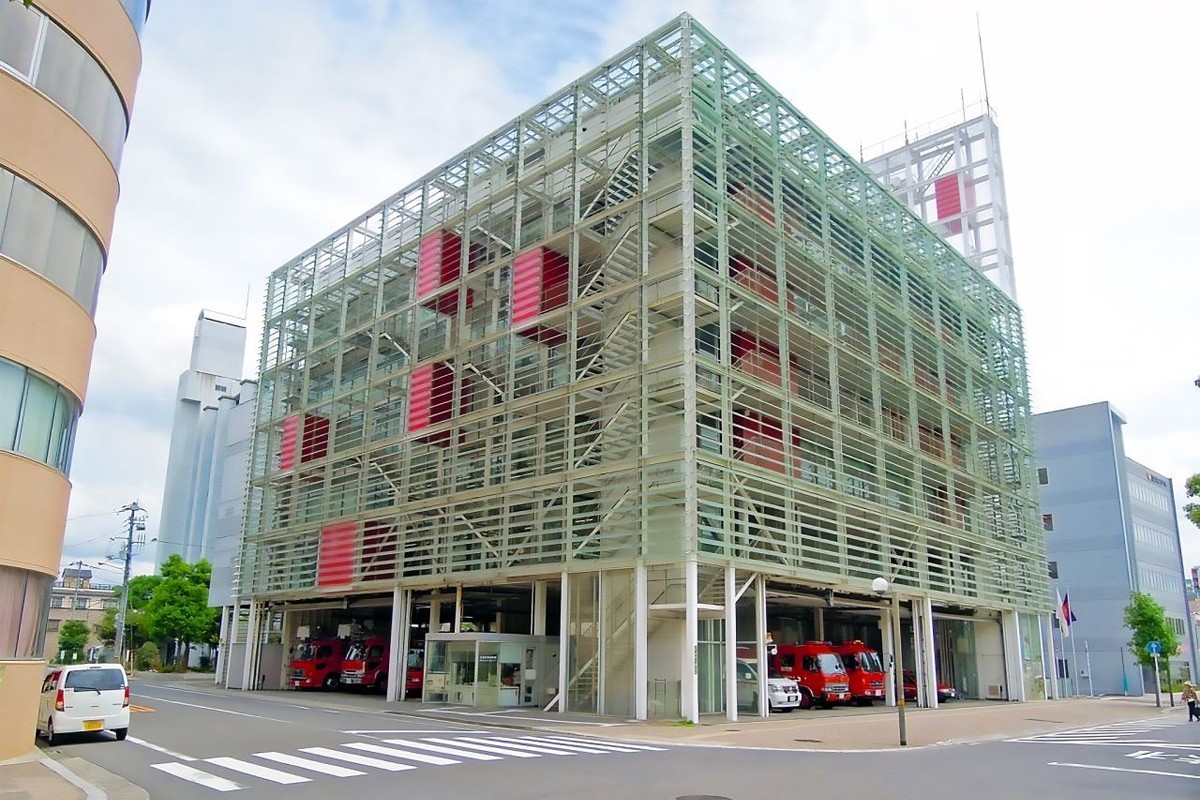
Yamamoto's architecture is characterized by its ability to blur the boundaries between public and private spaces. His designs bring dignity to everyday life, transforming ordinary spaces into something extraordinary. By creating environments that encourage interaction and community engagement, Yamamoto's work has a profound impact on the way people live and interact in urban environments.
In addition to his architectural work, Yamamoto is also known for his contributions to sustainable urban planning. He has been involved in projects that aim to create environmentally friendly and socially inclusive cities, advocating for green spaces, pedestrian-friendly streets, and mixed-use developments.










 Login with
Google
Login with
Google  Login
with Facebook
Login
with Facebook