Every year, Sustainability Day serves as a timely reminder of our shared responsibility toward the planet. As the impacts of climate change grow increasingly visible, the built environment finds itself at the center of both the problem and the solution. Architecture, by its very nature, influences energy consumption, land use, and community wellbeing. On Sustainability Day, it becomes clear that architecture is more than just form and function; it is a powerful tool to reimagine how humans coexist with the environment. 


Architectural Practices Driving Environmental Responsibility 


The Role of Architecture in Sustainability


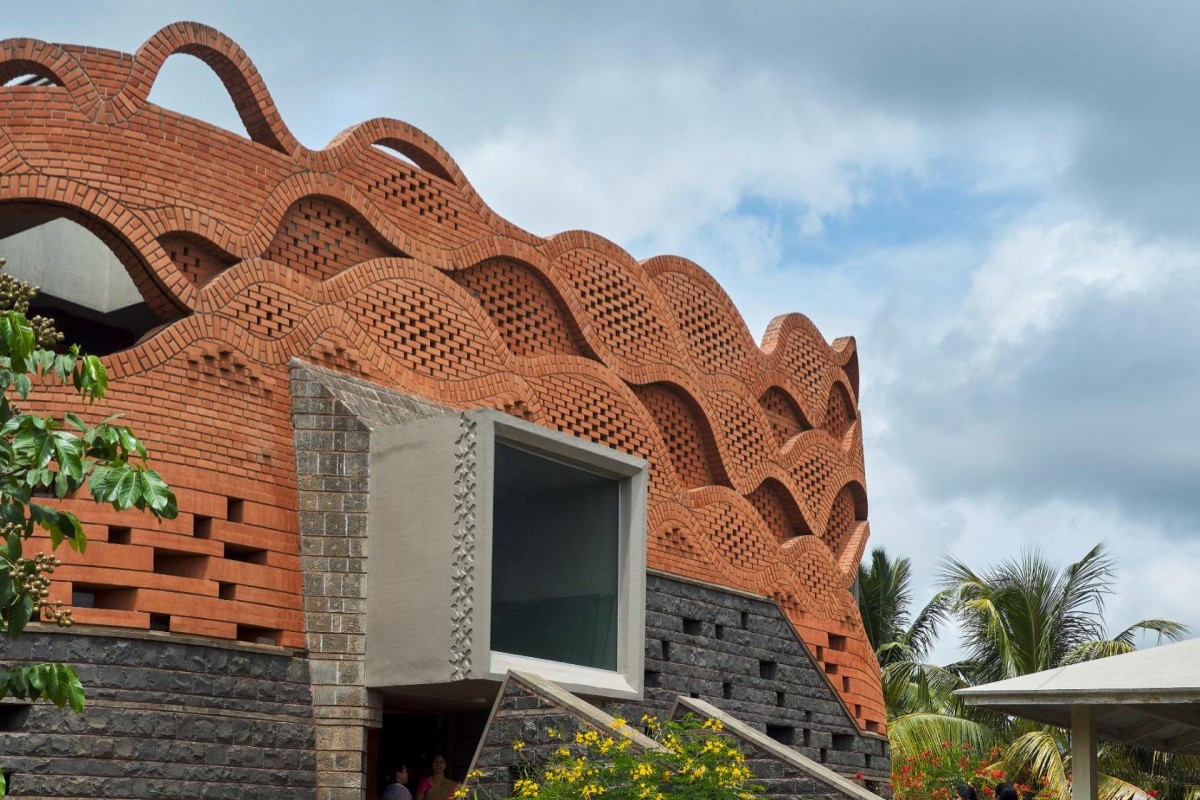
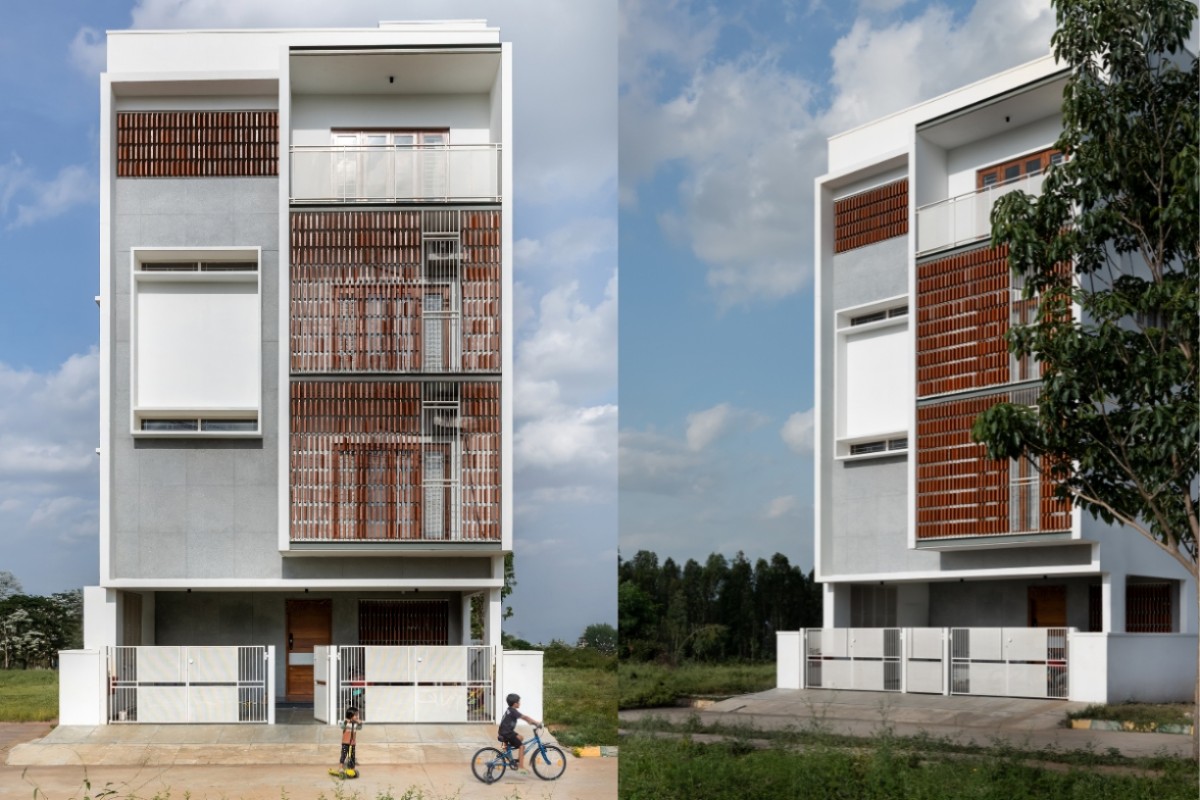
The Varadarajan House by Saka Studio
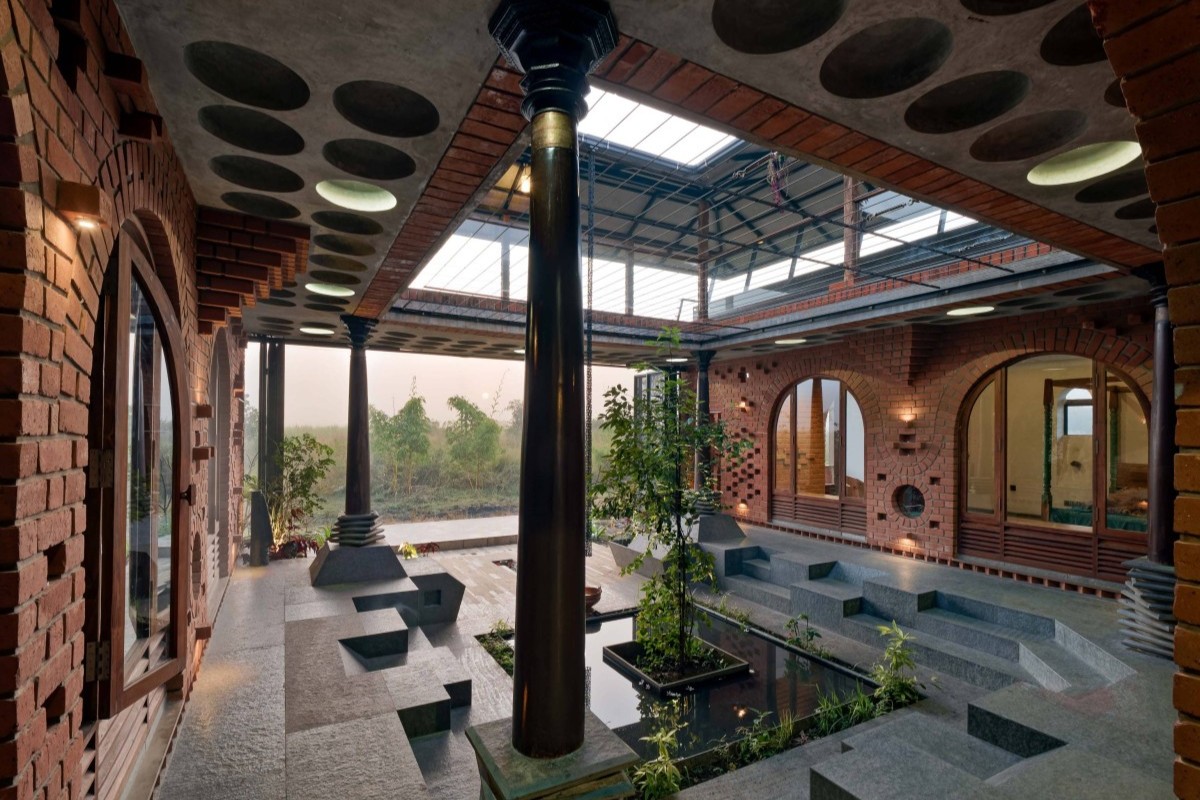

Source


Buildings account for nearly 40 percent of global carbon emissions, making architecture one of the most significant contributors to climate change. Yet, this same fact presents an opportunity. By adopting eco-friendly building design and prioritizing sustainable construction materials, architects can significantly reduce environmental impact while creating healthier, more resilient spaces. 

The shift toward green architecture innovations is not just a passing trend but a necessity. Architects today are at the forefront of developing solutions that conserve resources, minimize waste, and integrate renewable energy in buildings. From solar-integrated facades to rainwater harvesting systems, sustainability has expanded into every dimension of architectural practice. 


Eco-Friendly Building Design as a Standard


Deep Mahal by Studio Anhad

Source


Sustainability Day highlights the growing demand for eco-friendly building design across the globe. Gone are the days when “green” architecture was considered a niche practice. Today, it has become a standard expectation for urban development. 

Designers are now focused on improving indoor air quality, maximizing natural light, and reducing dependency on non-renewable energy sources. Passive design strategies—such as strategic orientation, cross ventilation, and natural shading—have reemerged as timeless solutions that align perfectly with climate-responsive design. These strategies not only reduce energy loads but also enhance human comfort and wellbeing. 


Green Architecture Innovations


CNS Office by Studio Avocado

Source


Innovation is key to building a greener future. Sustainability Day underscores how technology and tradition can work together in architecture to deliver groundbreaking results. One remarkable innovation is the development of energy-efficient architecture that integrates smart systems to monitor and reduce consumption. For example, intelligent HVAC systems automatically adjust based on occupancy, while sensor-controlled lighting reduces unnecessary electricity use. 

Meanwhile, green roofs and vertical gardens are transforming urban landscapes, providing insulation, absorbing carbon dioxide, and improving stormwater management. These living systems reintroduce biodiversity into cities, creating a balance between the built and natural environments. 


Sustainable Construction Materials


Gadi House by PMA madhushala

Source


The material palette of architecture is also undergoing a revolution. Sustainability Day draws attention to how the choice of materials impacts not only a building’s carbon footprint but also its long-term durability. 

Recycled steel, bamboo, rammed earth, and cross-laminated timber are increasingly being adopted as sustainable construction materials. These alternatives replace conventional options like concrete and brick, which often have high embodied energy. Beyond their environmental benefits, such materials also connect buildings more closely to local culture and traditions, offering a sense of identity alongside sustainability. 

Low-VOC paints, recycled glass tiles, and locally sourced stone are additional examples of sustainable finishes that combine aesthetics with responsibility. As material innovation continues, the industry is seeing a shift toward circular construction practices, where buildings are designed with future reuse and recycling in mind. 


LEED Certification and Global Benchmarks


Season of Leaves by Nilay Patalia Architects

Source


Green building certifications such as LEED (Leadership in Energy and Environmental Design) have become benchmarks for sustainable architecture. On Sustainability Day, projects that achieve such certifications are celebrated for pushing the industry toward higher standards. 

LEED-certified buildings focus on reducing water usage, lowering energy consumption, and improving indoor environmental quality. More than just a label, LEED has become a global framework that inspires architects and developers to strive for excellence in environmental responsibility. Countries are also developing their own rating systems, such as GRIHA in India or BREEAM in the UK, ensuring that sustainable goals are context-specific and culturally relevant. 


Climate-Responsive Design


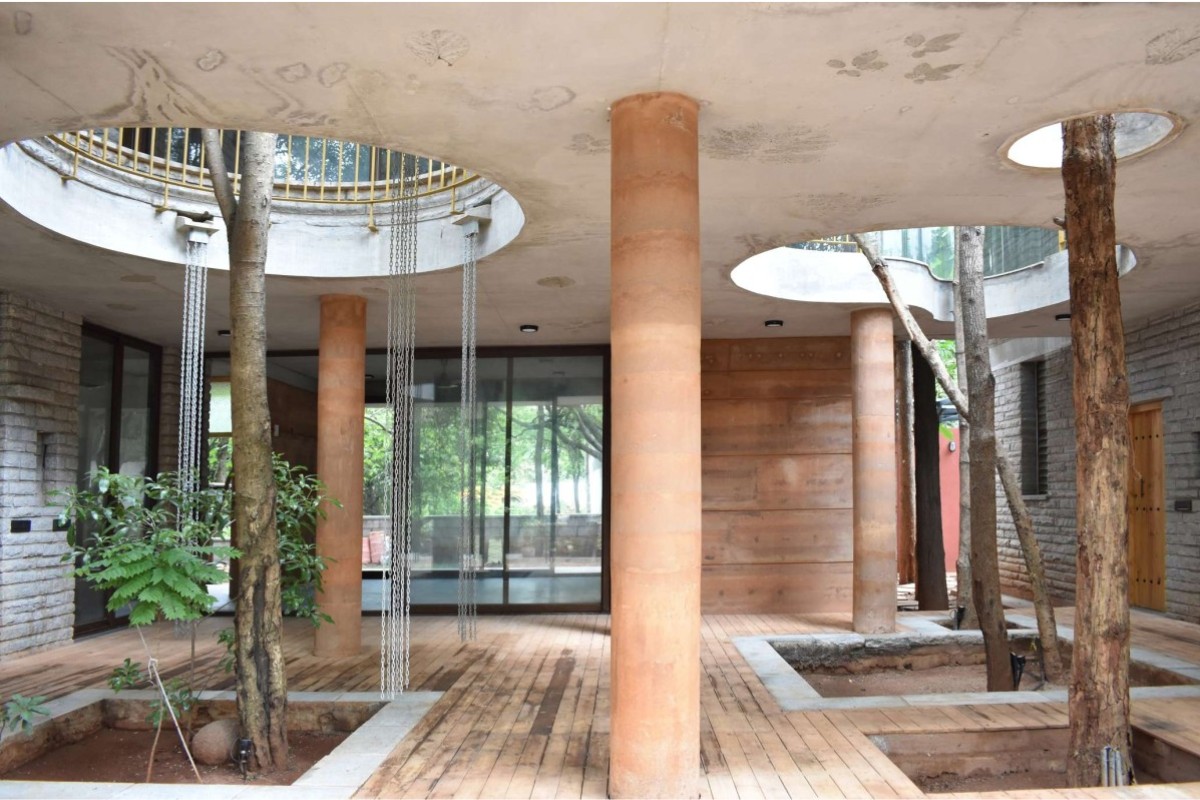
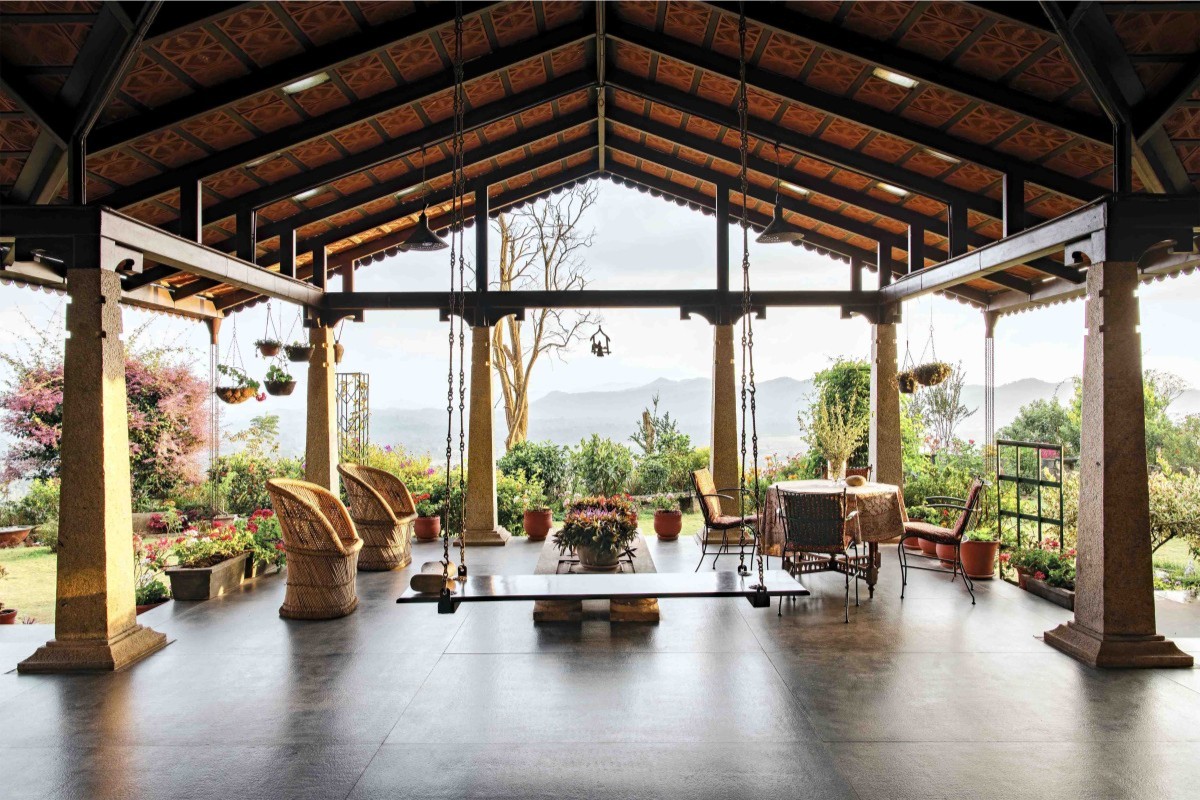
Courtyard House by Alkove-Design

Source


Climate-responsive design is one of the oldest and most effective approaches in architecture. Sustainability Day emphasizes the importance of looking back to traditional building wisdom while integrating modern techniques. 

In hot climates, deep verandas, jalis (perforated screens), and courtyards naturally reduce heat gain, while in colder regions, thick walls and compact forms conserve heat. Architects today are blending these time-tested methods with contemporary tools, such as parametric design software, to optimize building performance. The result is architecture that not only reduces environmental impact but also resonates with the local climate and culture. 


Renewable Energy in Buildings


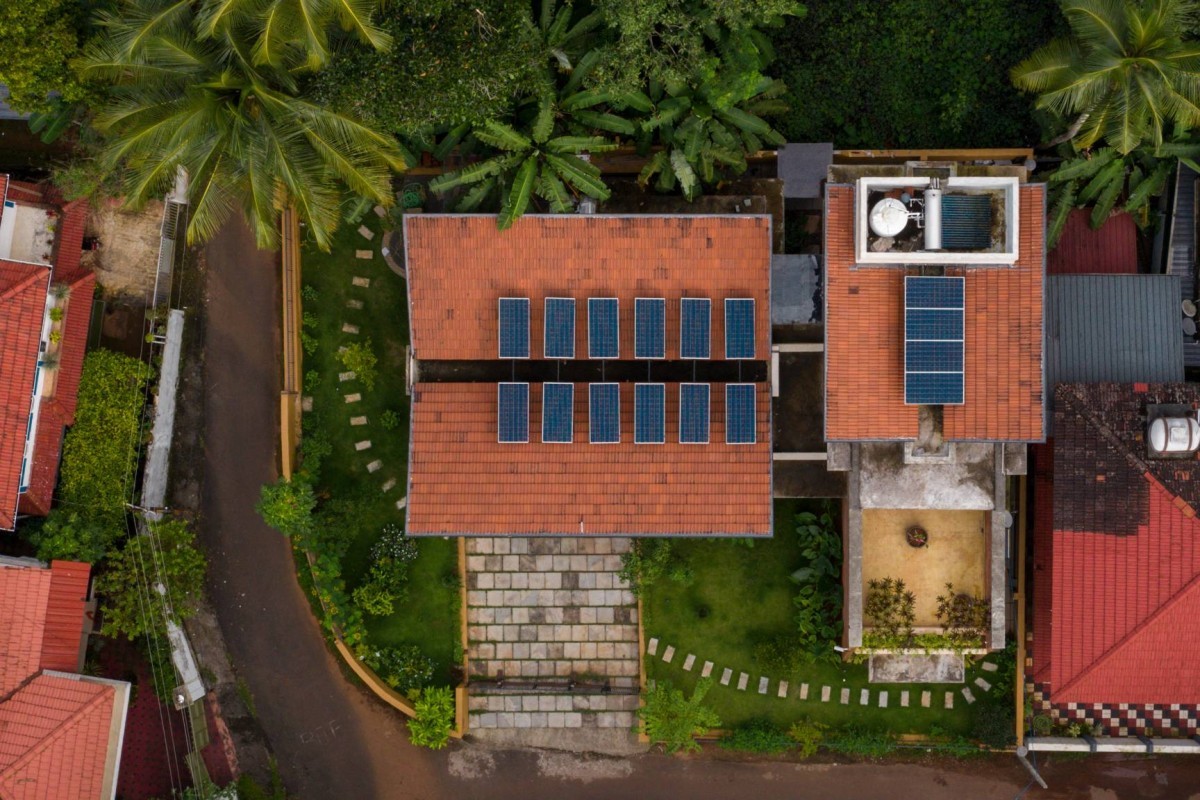
Paroppadi residence by Magic line studio
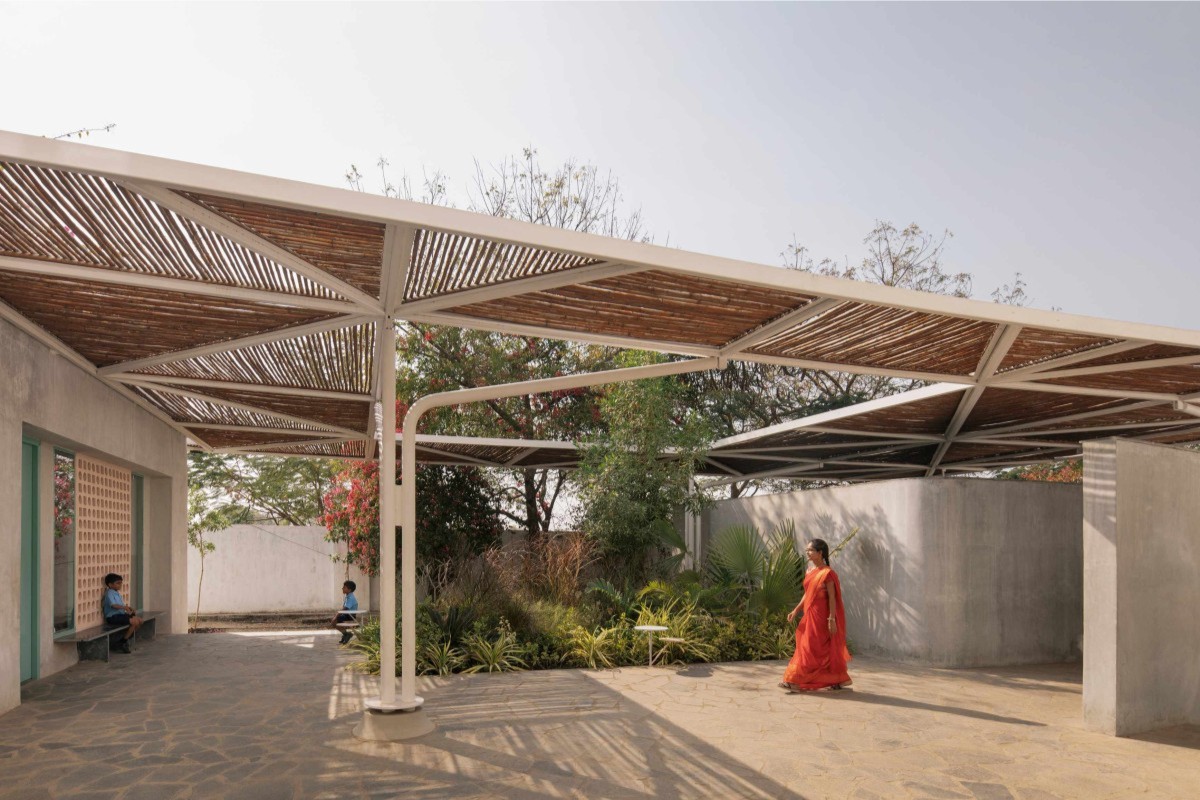
Source


A significant driver of sustainable architecture is the integration of renewable energy in buildings. Solar panels, wind turbines, and geothermal systems are now commonly incorporated into design strategies. On Sustainability Day, these technologies stand as symbols of resilience and independence from fossil fuels. 

Net-zero energy buildings, which generate as much energy as they consume, are no longer theoretical concepts. They are practical realities shaping cities worldwide. By combining renewable energy with energy-efficient architecture, these projects prove that it is possible to design buildings that support both human needs and planetary health. 


The Social Dimension of Sustainable Architecture 

Sustainability is not just about environmental metrics; it is also about people. Buildings influence communities, lifestyles, and mental wellbeing. Sustainability Day reminds us that equitable access to healthy and affordable spaces is central to environmental responsibility. 

Architects are rethinking housing models to ensure inclusivity, designing public spaces that foster community interaction, and creating resilient infrastructure that supports disaster preparedness. Sustainability, in this sense, is as much about social equity as it is about ecological stewardship. 


Looking Ahead: The Future of Green Architecture


Talaricheruvu Rural School by CollectiveProject

Source


As the world moves toward a greener future, Sustainability Day serves as a checkpoint for progress and a call to action. Emerging technologies such as 3D-printed homes, bio-based materials, and AI-driven design are reshaping the possibilities of eco-friendly architecture. 

Yet, the path forward is not only about innovation but also about education and awareness. Architects, developers, governments, and communities must work together to embrace sustainable values in every stage of design and construction. This collective effort is crucial if we are to reduce emissions, safeguard ecosystems, and provide healthier spaces for generations to come. 


At Volume Zero, we believe that Sustainability Day is not just a calendar event but a guiding principle for design. Architecture must move beyond aesthetics and functionality to embrace responsibility toward the planet and its people. Through our initiatives, we aim to highlight projects, ideas, and practices that demonstrate how design can create lasting positive impact. As we look toward the future, let us continue to celebrate Sustainability Day not only once a year but every day, by choosing practices that build harmony between land, lifestyle, and legacy. Together, we can ensure that architecture becomes a cornerstone of the greener future we all aspire to.

For more such insights and tips about the architectural world, subscribe to the Volume Zero newsletter and get the latest articles delivered to your inbox.


Haripriya Jayaraman

Haripriya Jayaraman

Content Writer

Haripriya Jayaraman is a vibrant, chatty extrovert with a deep passion for prose and poetry. Conversations energize her, and she thrives on connecting with others to uncover shared stories and experiences. She enjoys sailing through and exploring Architecture beyond the curriculum




Subscribe

Get our latest article and updates delivered straight to your inbox.