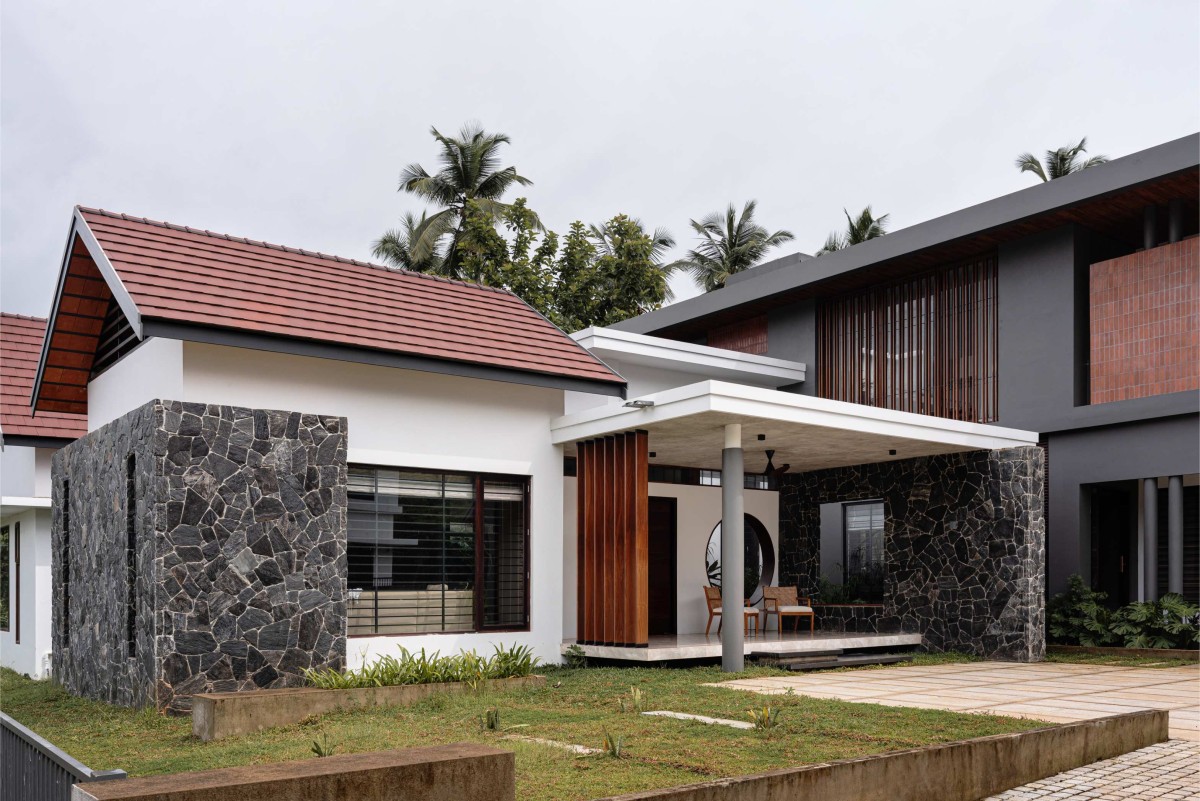
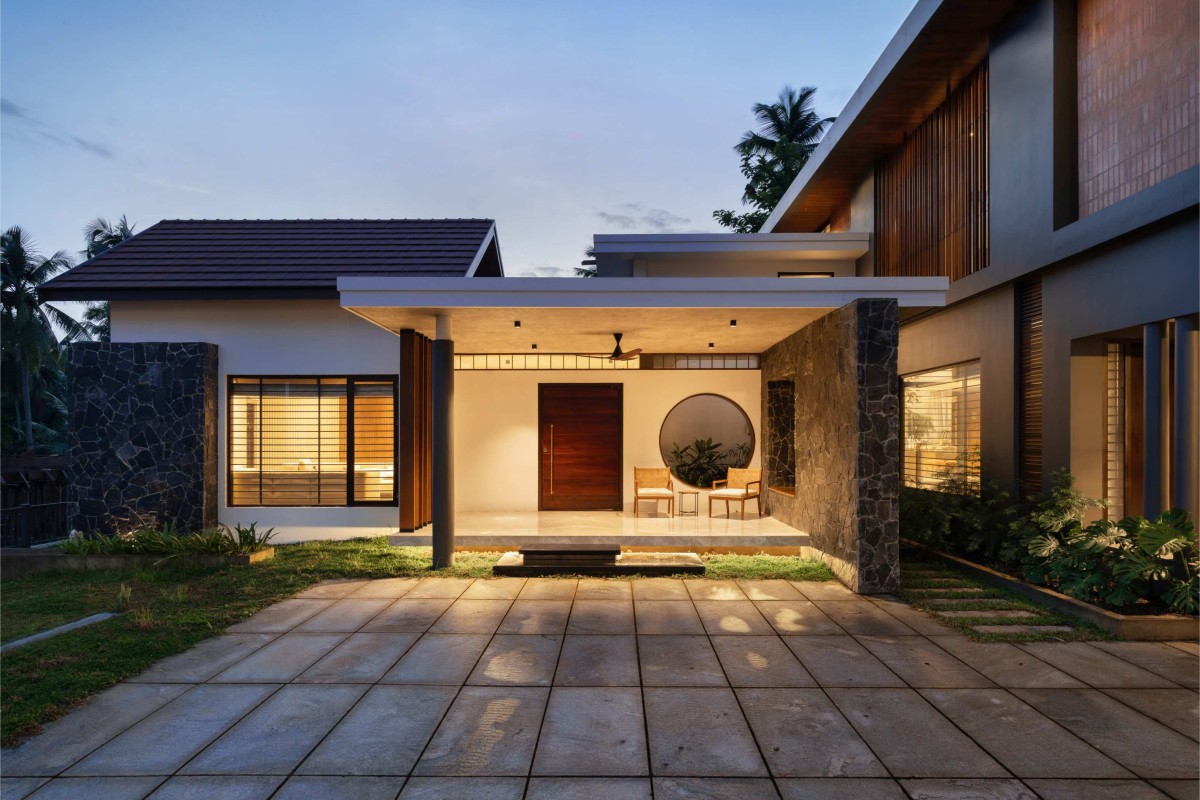
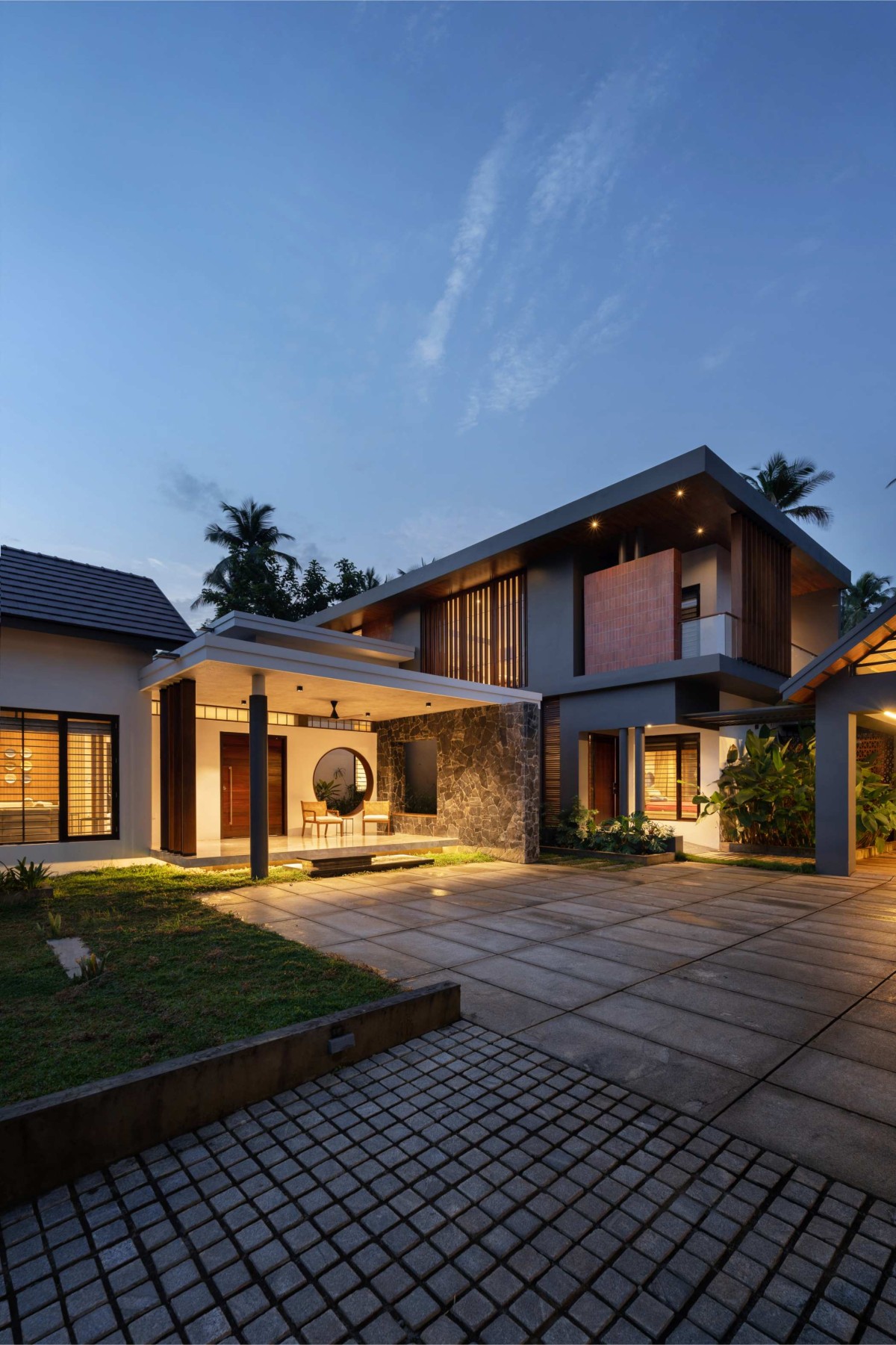
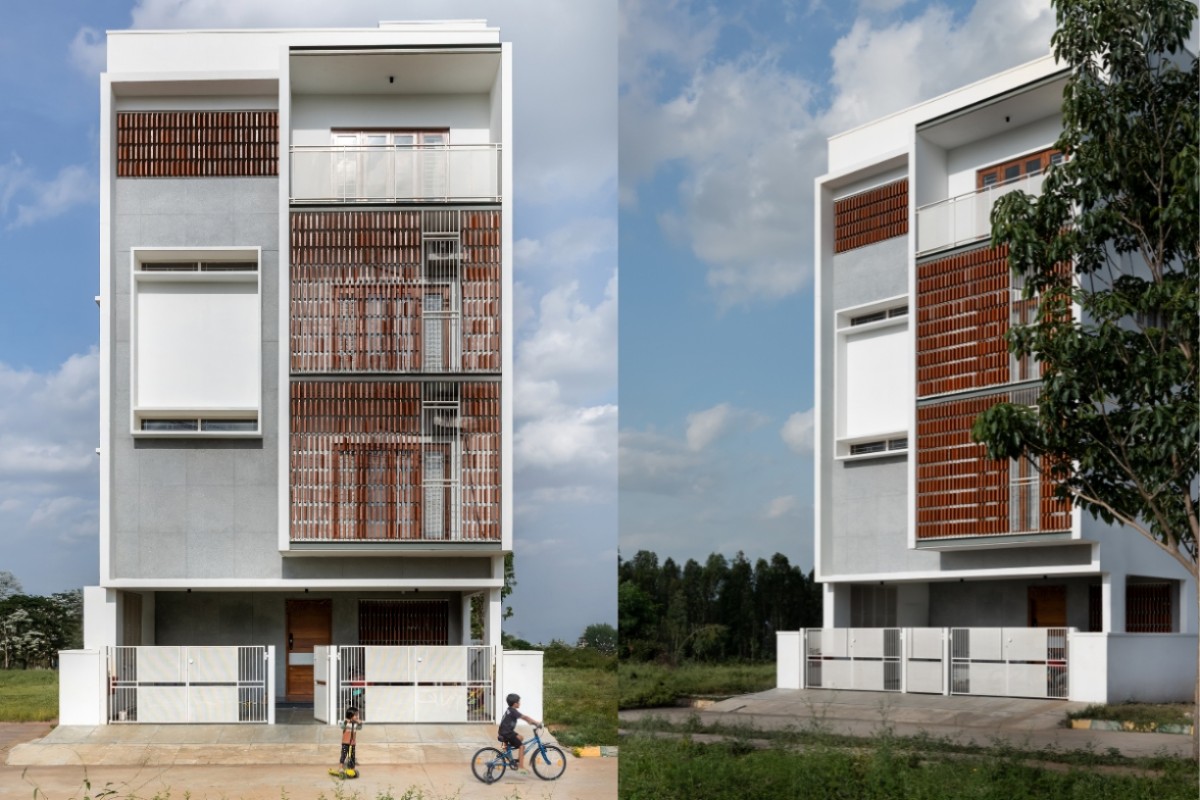
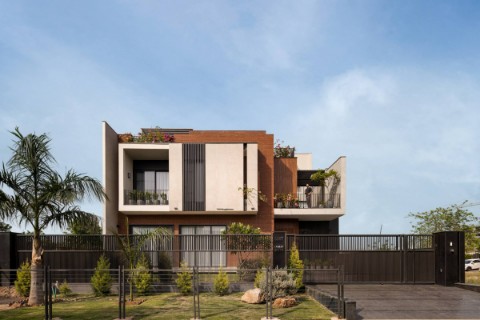
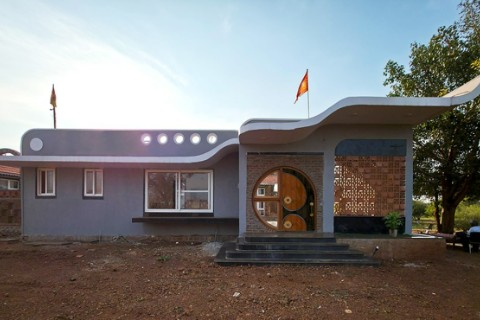
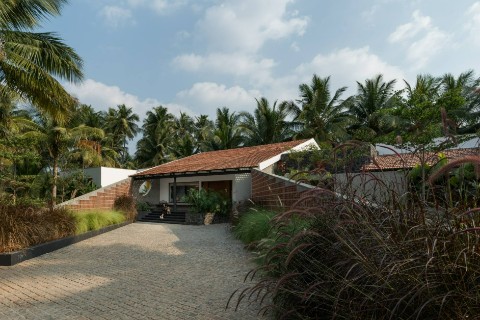
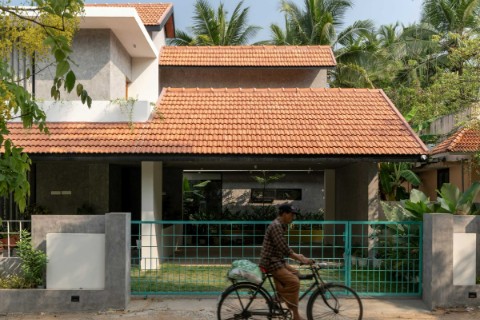
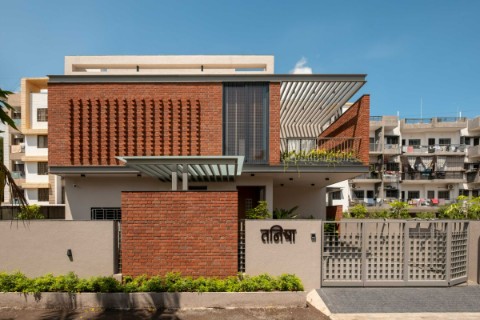
Exterior view of Qaidh by PATH
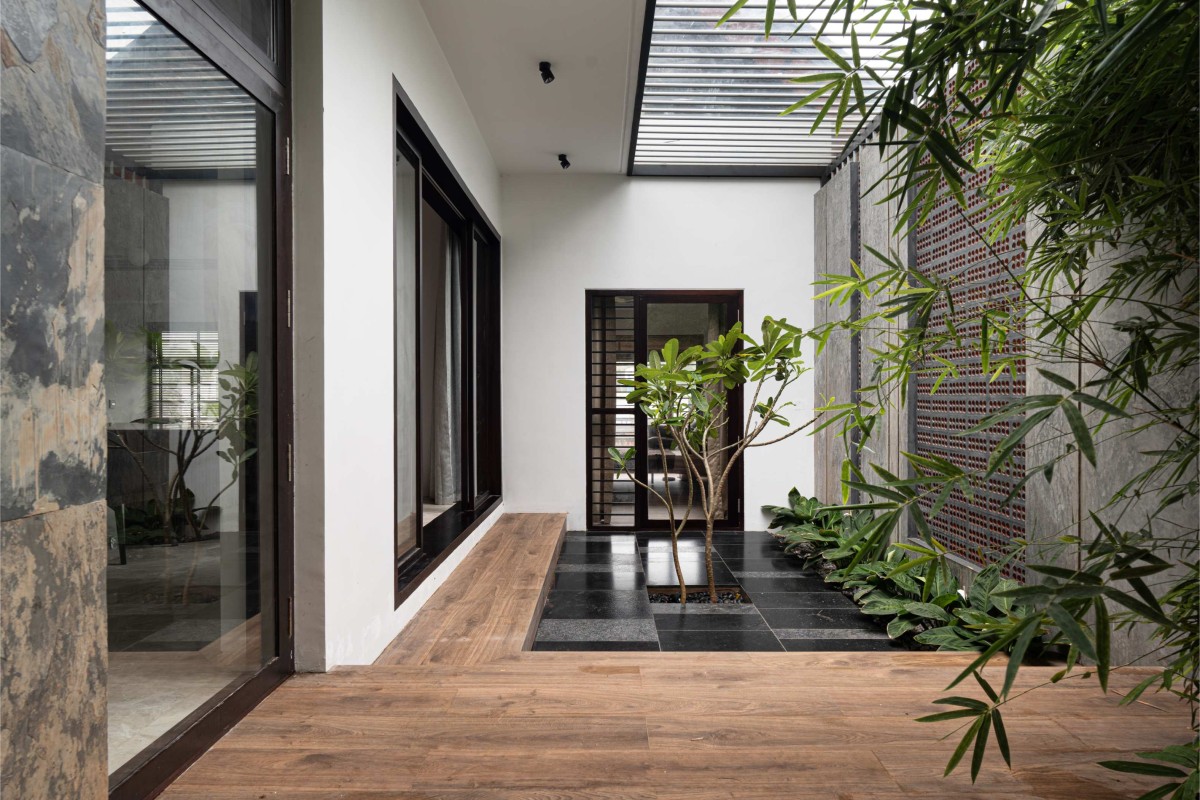
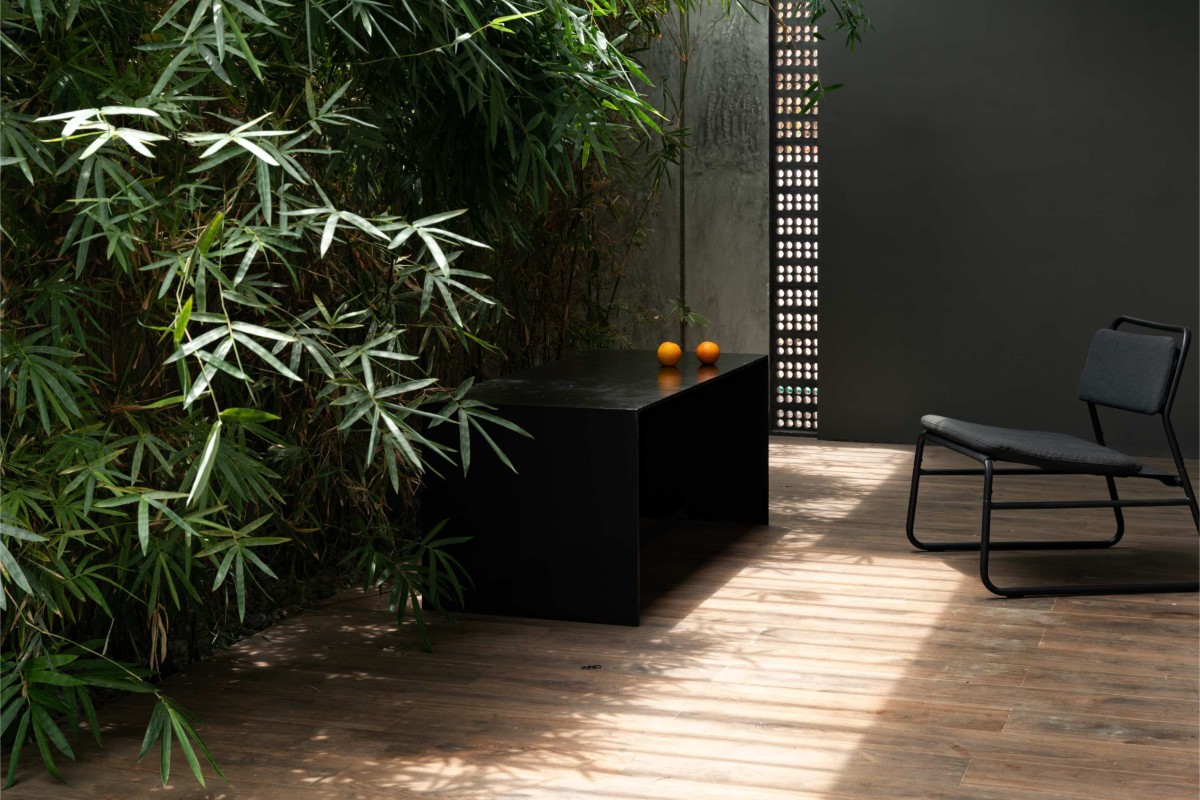
Courtyard of Qaidh by PATH
Courtyard of Qaidh by PATH
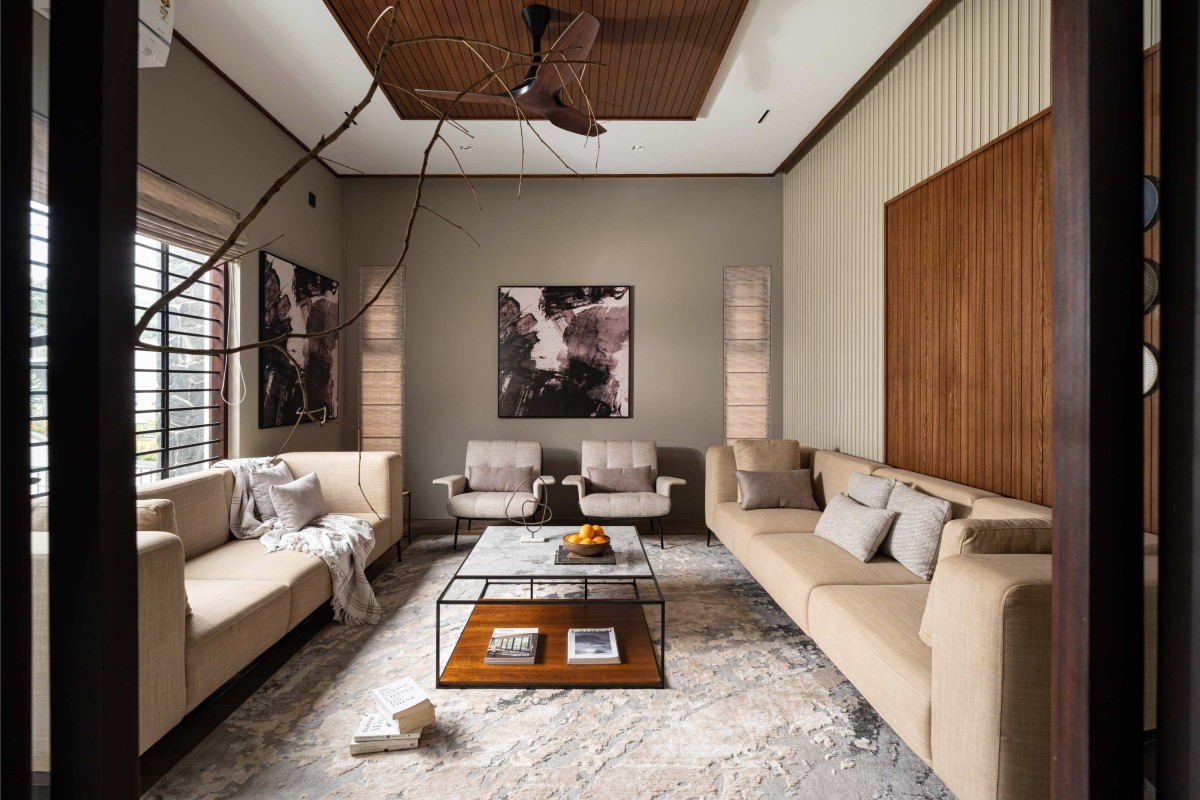
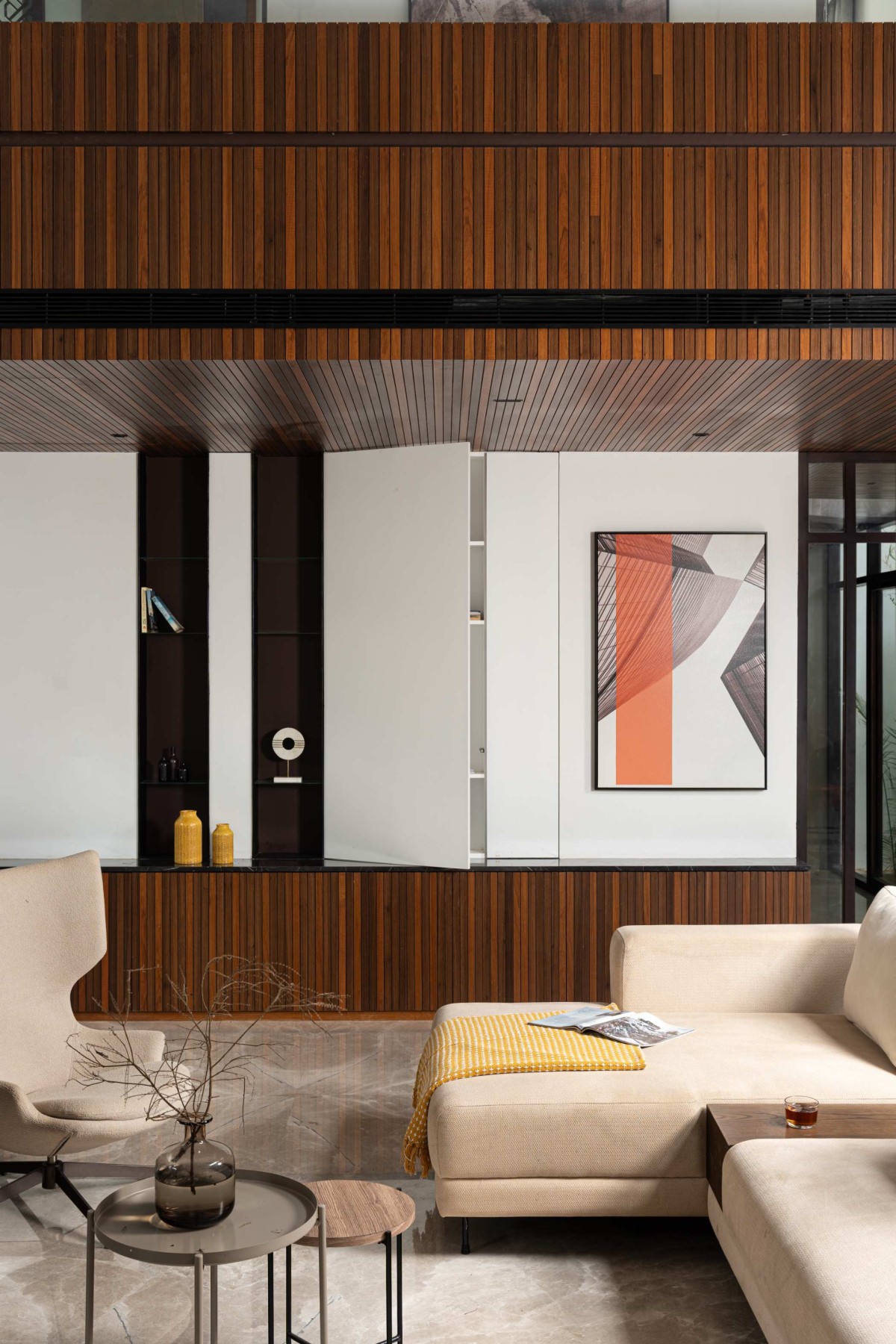
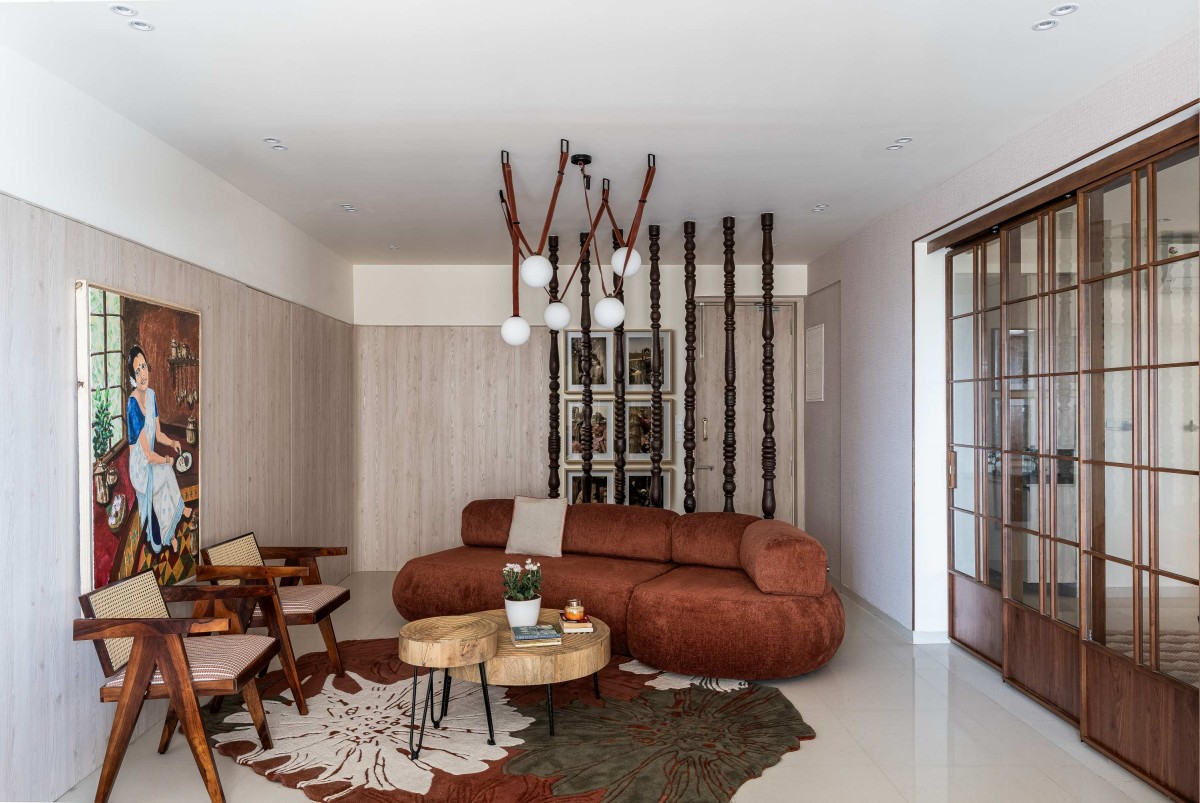
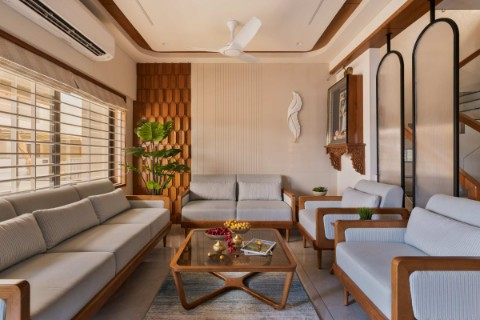
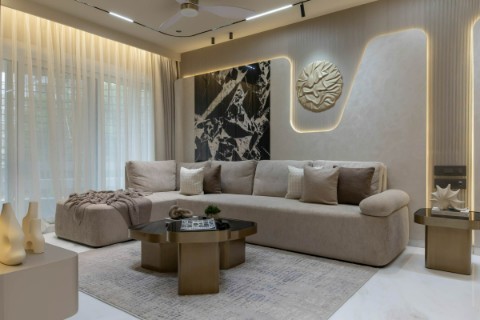
Formal living of Qaidh by PATH
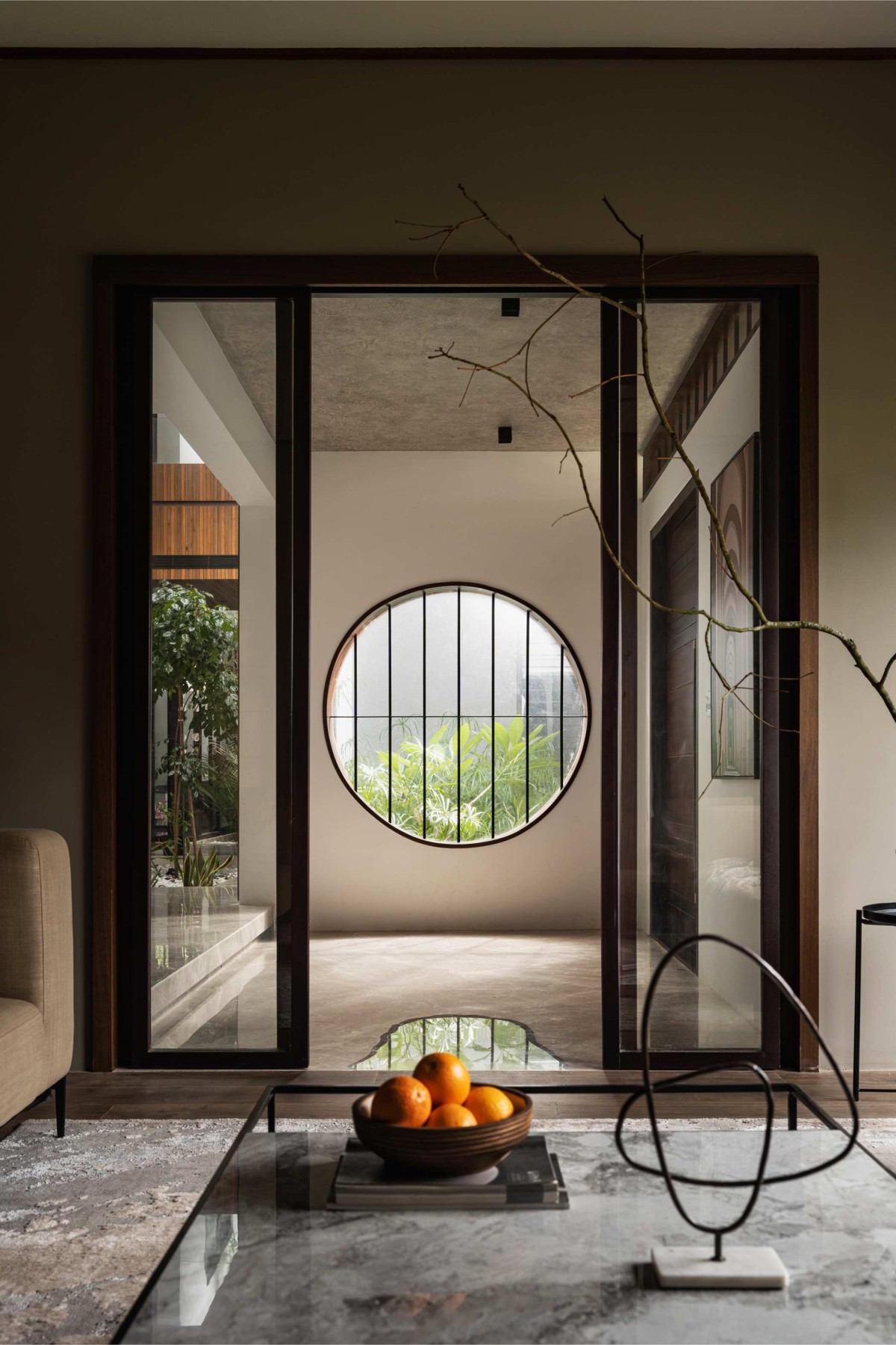
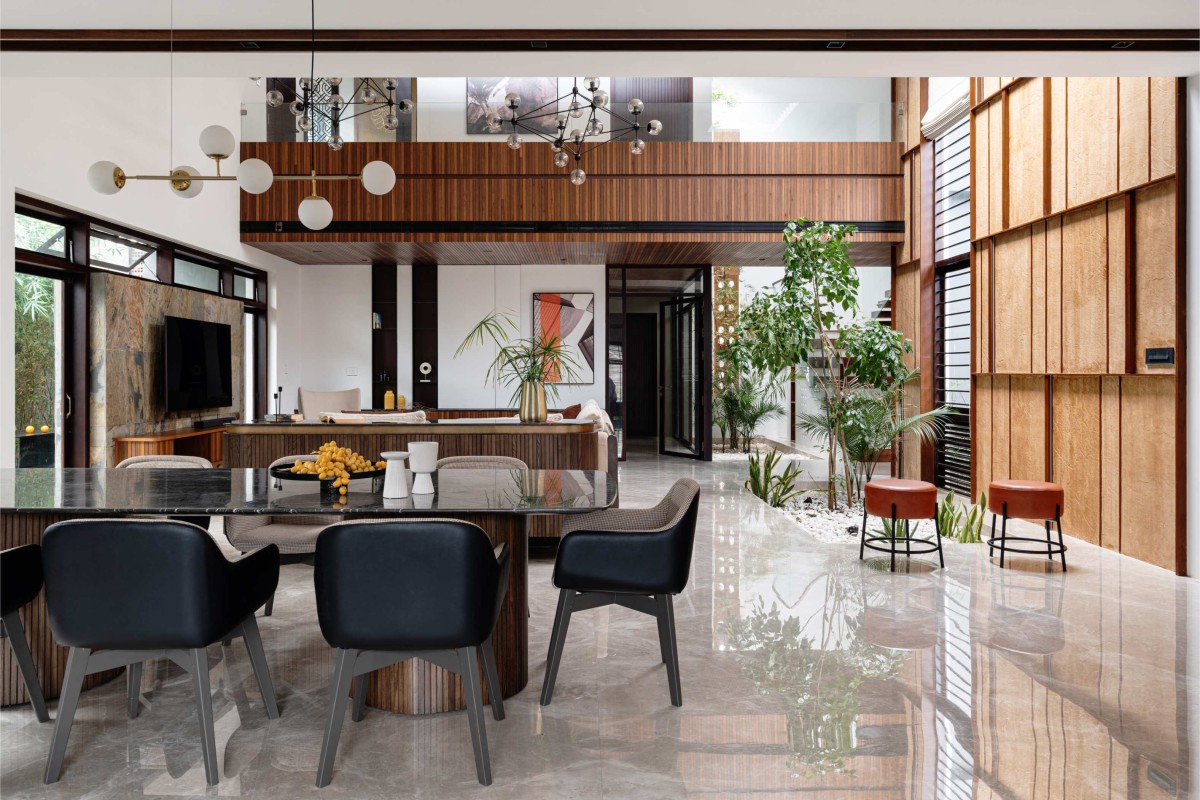
The main living space steps up slightly from the foyer and branches out into a family lounge, a dining space, and two inner courtyards. These courtyards, with their dappled light and breezy calm, are not just ornamental—they are essential. They bring the sky into the house, allow light and shadow to animate the interiors, and offer moments of solitude amidst family life.
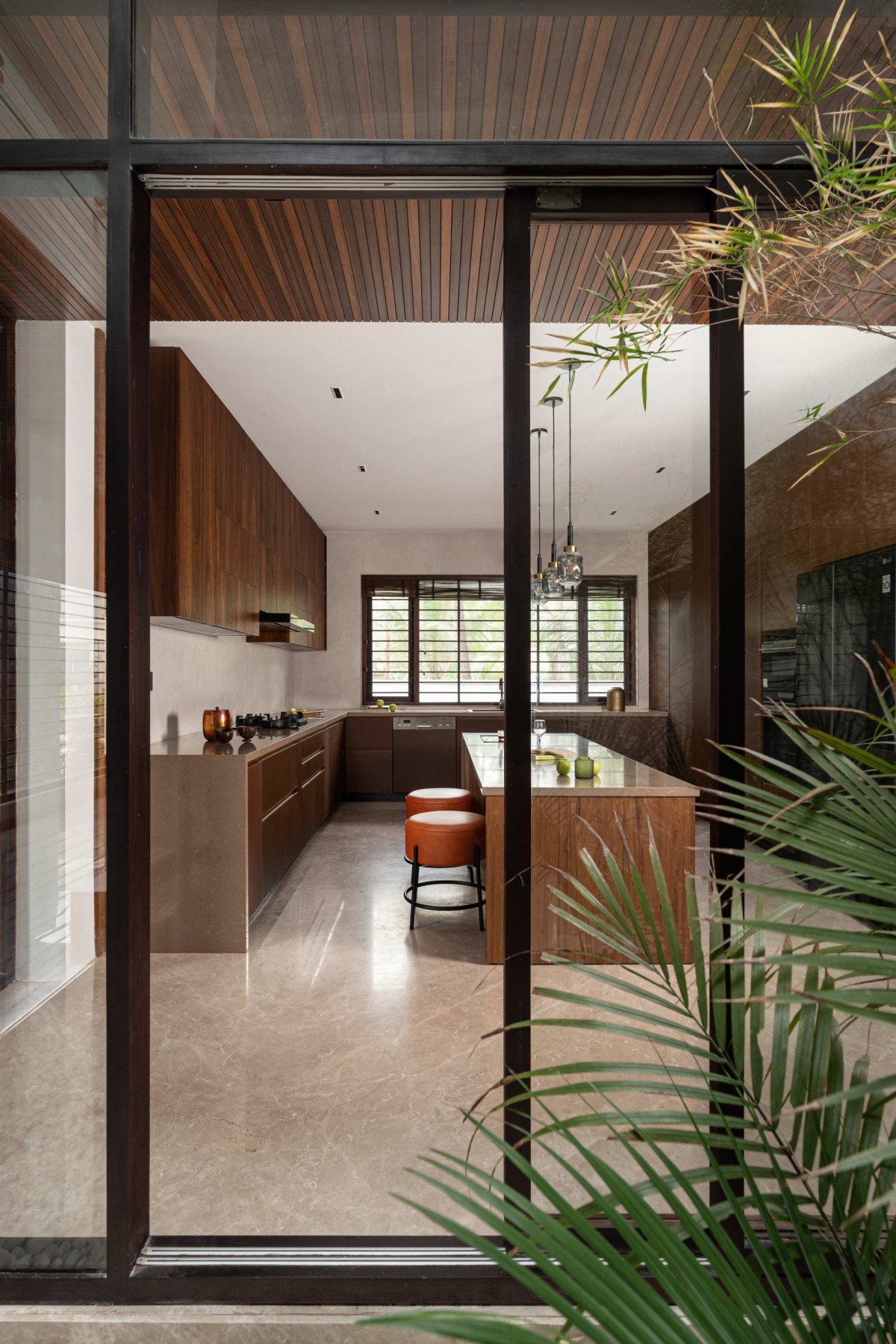
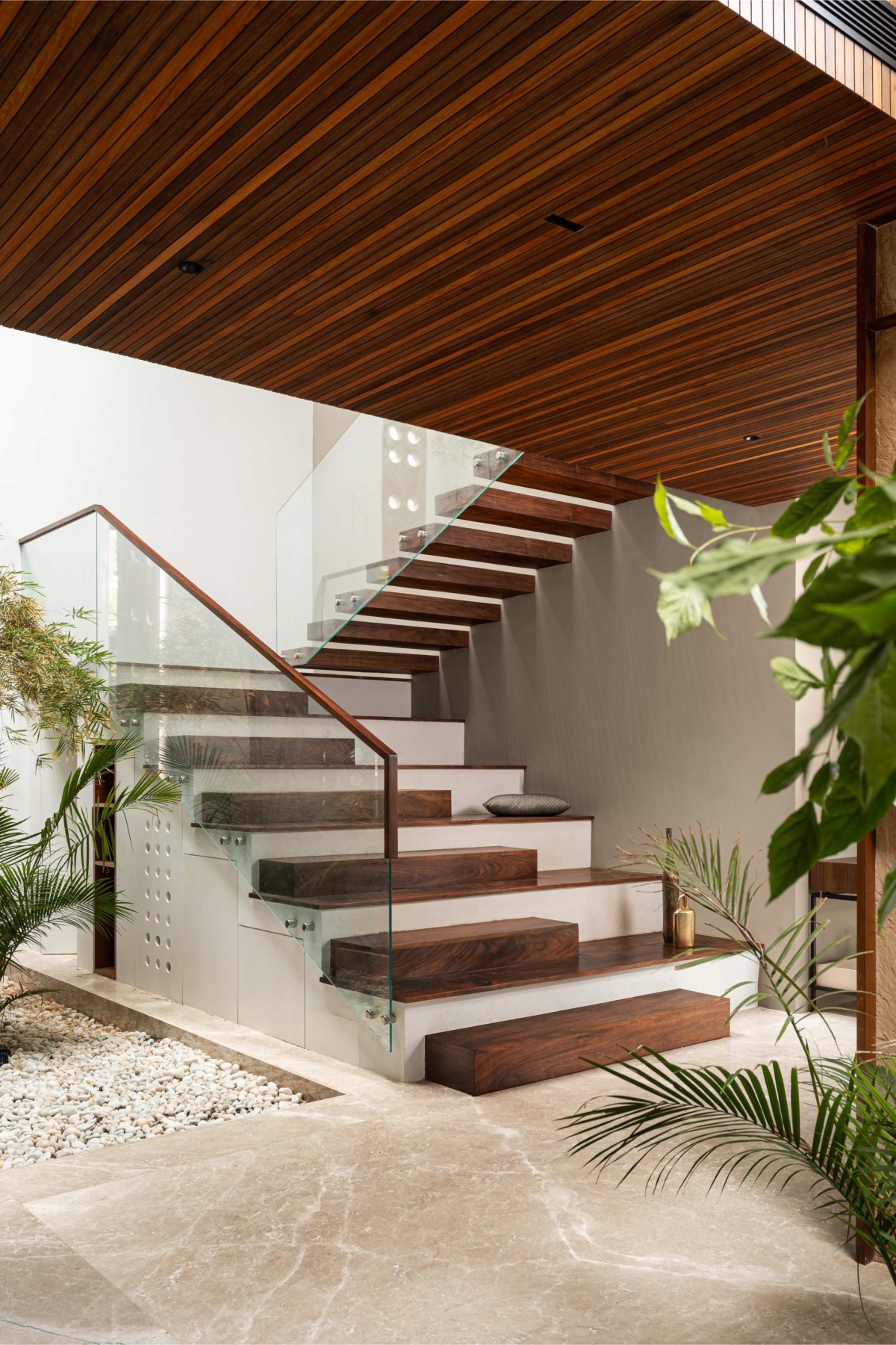
The kitchen sits tucked to the far right, separated by a lush courtyard and staircase void. Every major programmatic element in Qaidh—from the dining room to the bedrooms—has access to outdoor spaces, either visually or physically. This idea of "permeable living" is central to how they approach tropical domesticity.
The client's profession heavily informed the design language. As a ship captain, much of his life was spent in constrained spaces, surrounded by the horizon but disconnected from the ground. They wanted Qaidh to be the opposite of that—to feel generous, tactile, and rooted.
Formal living of Qaidh by PATH
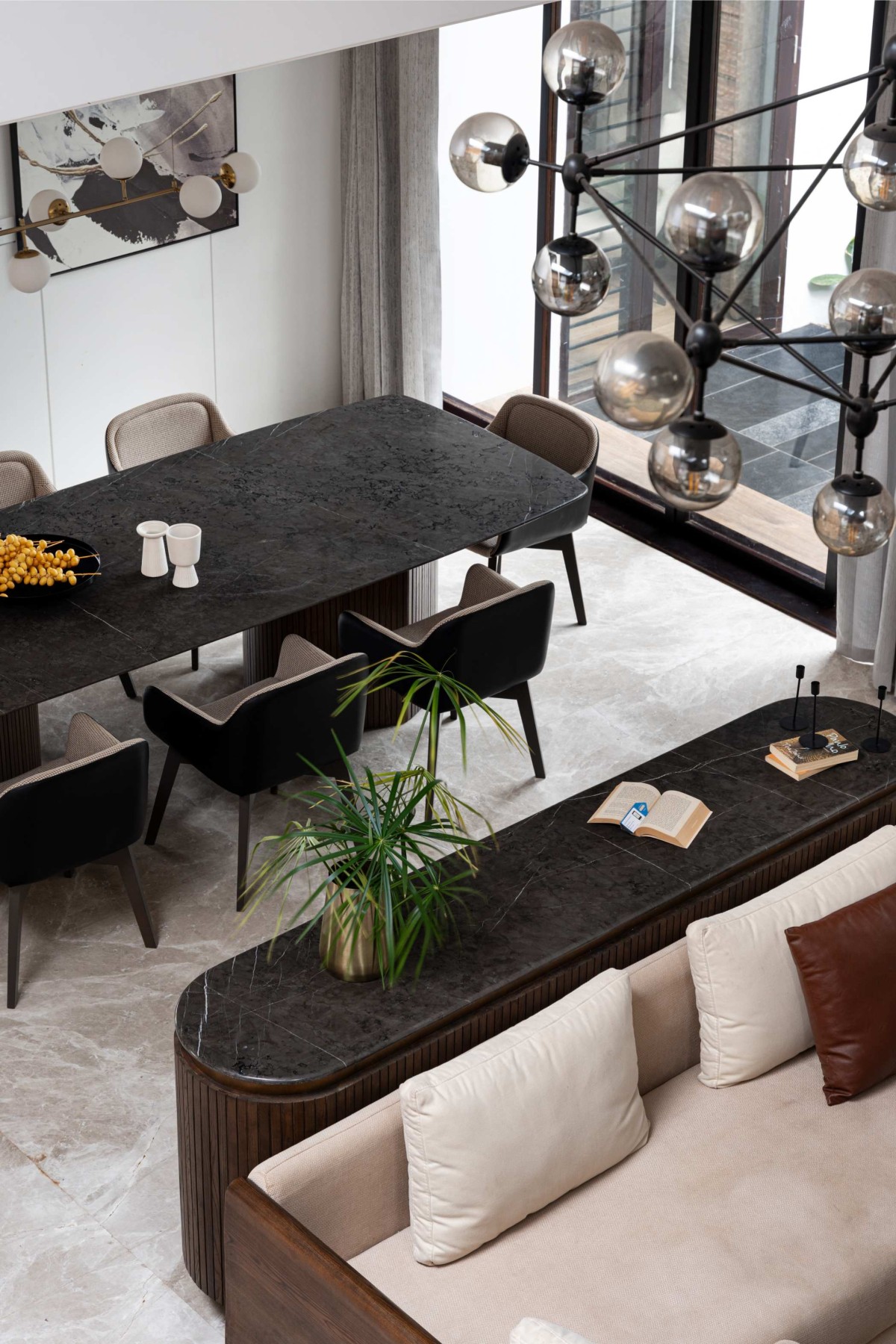
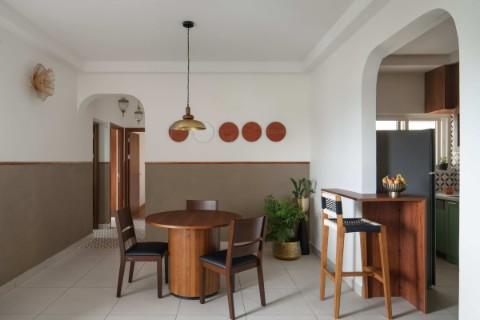
Dining & Family living of Qaidh by PATH
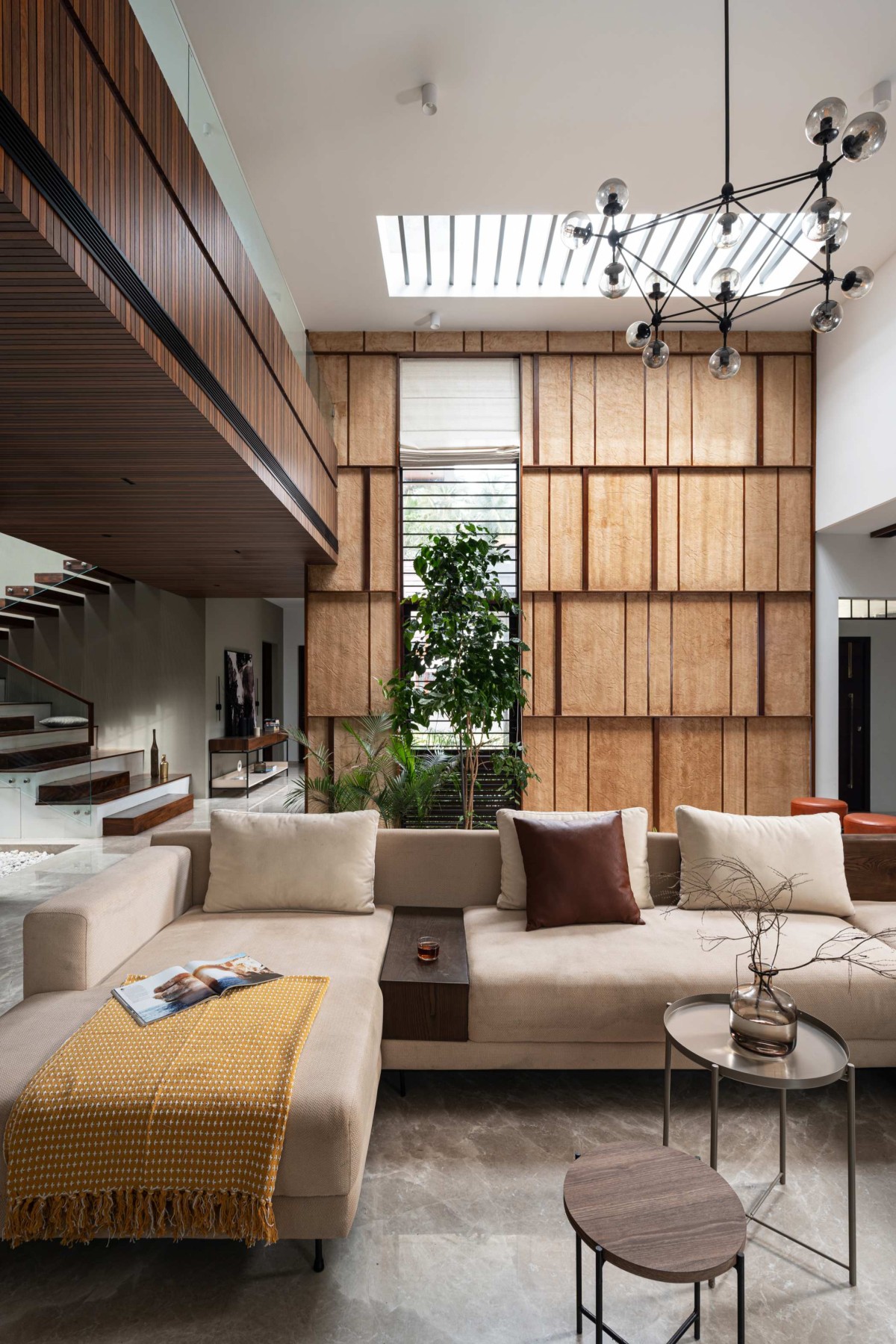
Family living of Qaidh by PATH
The living room rises into a double-height volume, not for drama, but for breath. Light travels freely through clerestory windows and tall vertical slits. Warm air escapes, shadows shift. The verticality doesn't shout; it invites. This spatial release is countered with grounded materials—textured plaster walls, dark-polished ash wood, and earthy fabric tones.
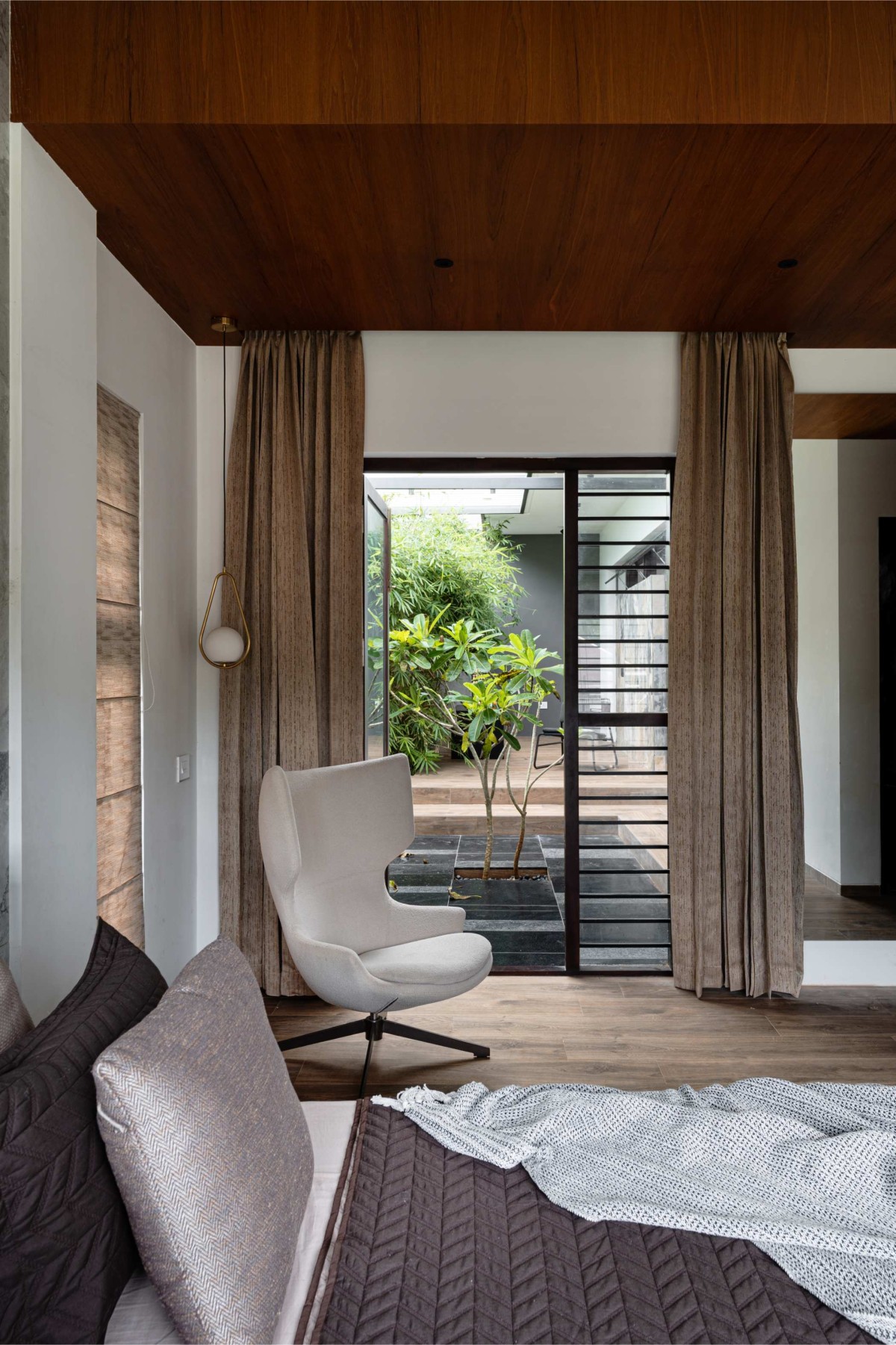
The bedrooms maintain this grounding with consistent materiality—warm browns, linen-textured walls, wood-paneled furniture—and the occasional surprise of a courtyard just beyond the window.
They designed Qaidh not just for the person who returns, but for the family that stays. The layout encourages collective moments—dining, playing, conversing—without sacrificing quietude. Spaces are defined not always by walls but by subtle level changes, the play of light, and the orientation toward greenery.
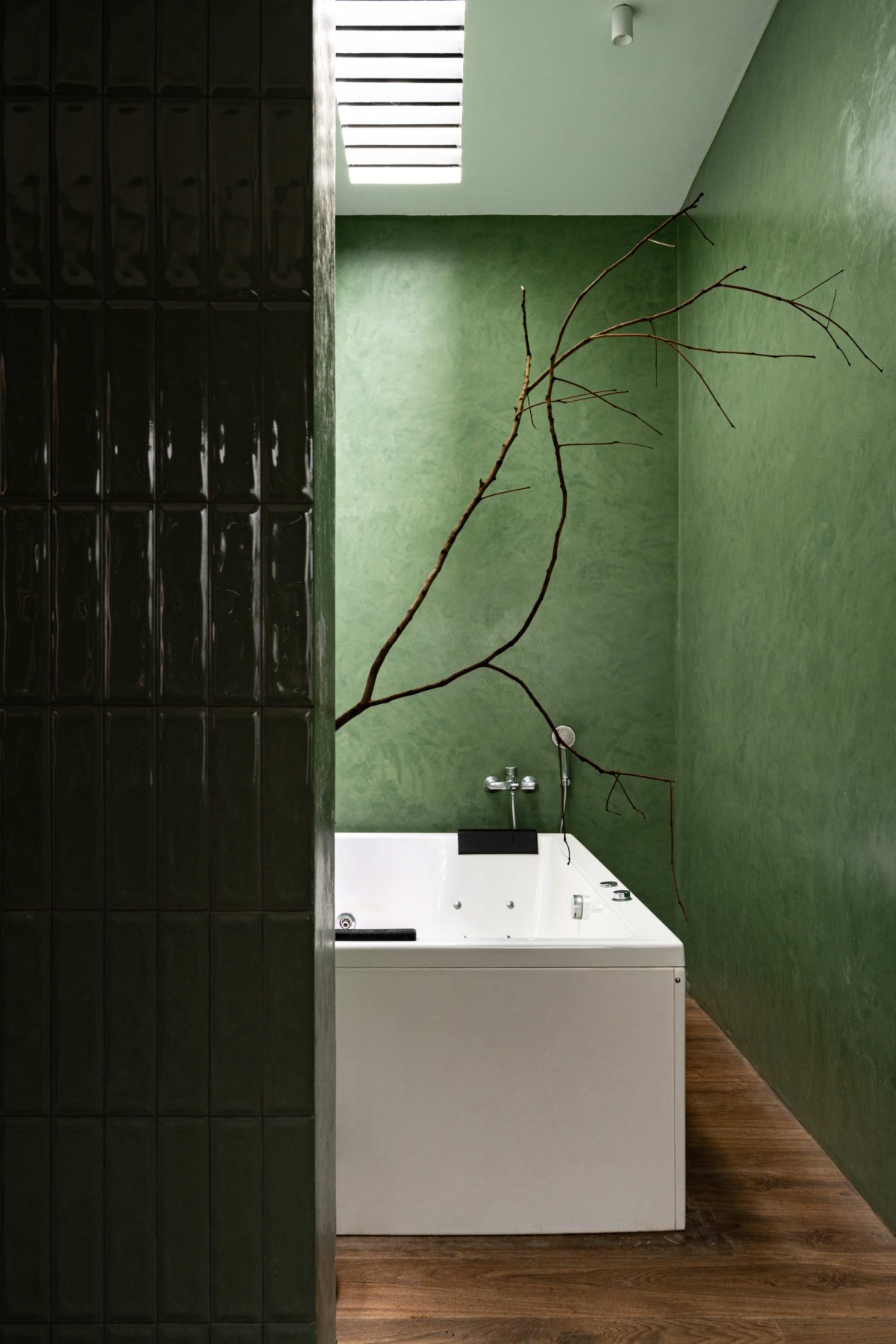
The most emotionally charged part of the house is the master bathroom—a spa-like retreat envisioned to mimic the tranquility of a forest. Green plaster walls, glazed subway tiles, and a centrally placed Jacuzzi turn a daily ritual into an immersive pause. It's one of those spaces where architecture meets emotion without needing to explain itself.
Family living of Qaidh by PATH
Staircase of Qaidh by PATH
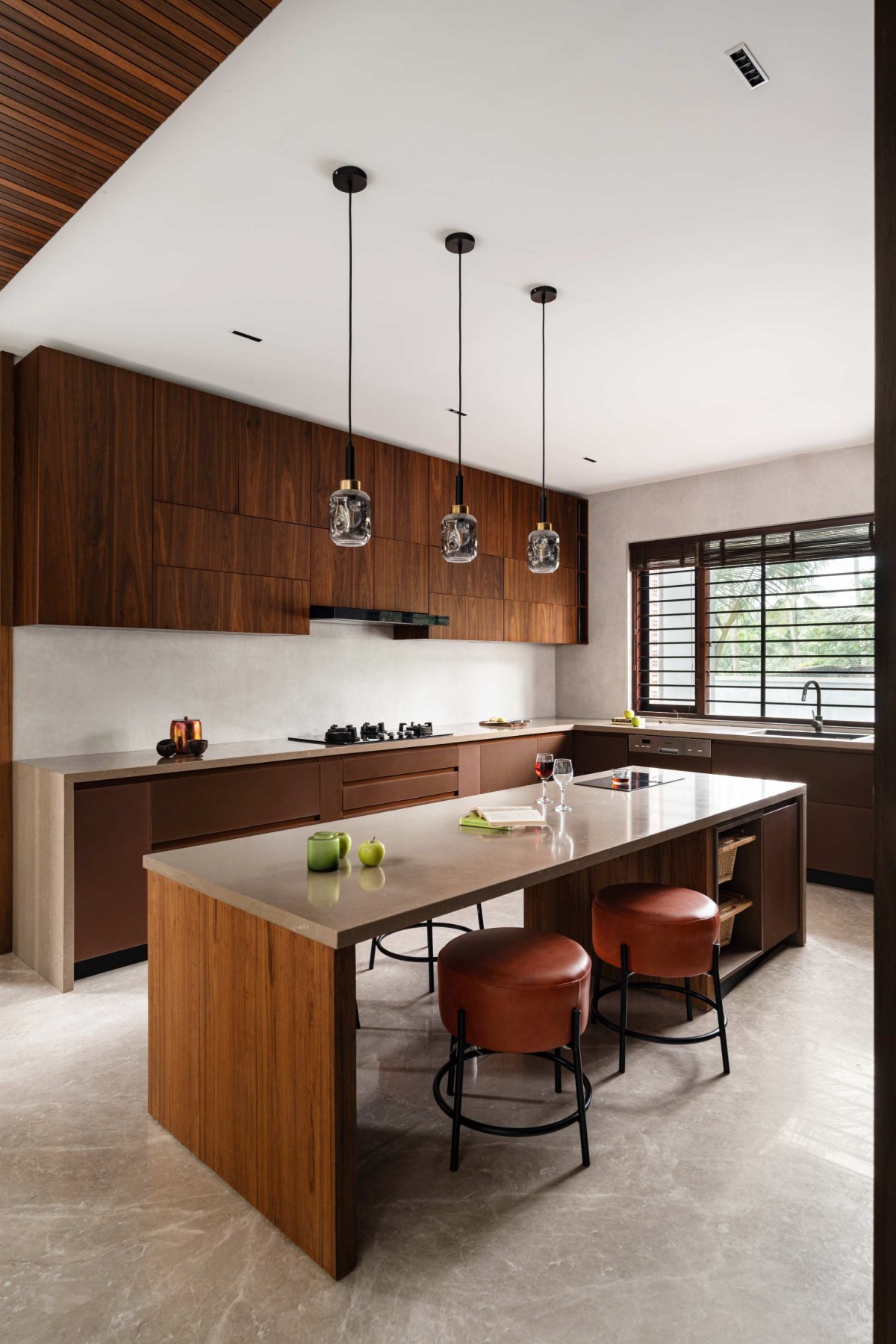
Every surface in Qaidh was chosen for a reason. The palette is muted yet rich—Italian marble flooring for its visual calm, white plaster walls for timeless contrast, and rich wooden tones to anchor the experience. Brass and copper accents add a hint of nostalgia and craft, while sunset orange—used sparingly in cushions and wall art—symbolizes the quiet end of a day at sea.
They worked with slender vertical flutes and reaper details across walls and ceilings to add rhythm without clutter. The kitchen continues this visual language, featuring matte lacquered glass and warm wood shutters for a seamless integration with the rest of the home.
Designing Qaidh was less about invention and more about interpretation. It's a house that listens—to its land, its light, its people. While it borrows from Kerala's timeless vocabulary, it doesn't imitate. Instead, it builds on it—softly, respectfully, and with clarity.
As architects, their role is not just to solve spatial problems, but to offer shelter for memories yet to be made. In Qaidh, they hope they've created more than a house. They hope they've created a quiet return—a place that feels like home before it's even fully lived in.
Master Bathroom of Qaidh by PATH
Dusk light exterior view of Qaidh by PATH
Dusk light exterior view of Qaidh by PATH